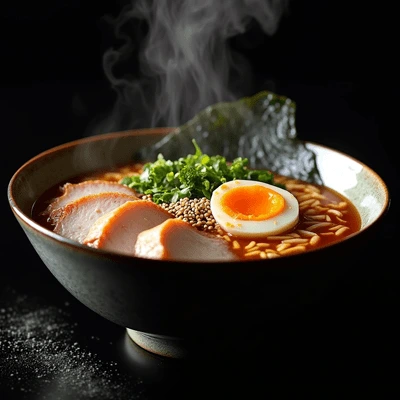
Health on Your Plate – Recipes That Heal
A healthy diet is not just a trend, it's a way to support your body, mind, and overall well-being. In our section dedicated to health, you'll find recipes that respect the natural needs of the body, avoid unnecessary chemicals, and focus on fresh, high-quality, and often organic ingredients. Whether you're looking for inspiration for a lighter menu, want to try vegan cooking, or simply wish to eat mindfully, you're in the right place. We believe that food is more than just fuel, it's a daily opportunity to care for ourselves and for the planet. Our recipes will show you that healthy doesn't have to mean boring or complicated. Every dish is a step toward a better lifestyle that respects both our body and the nature around us. Let yourself be inspired and discover the joy of cooking that comes from the heart and from wholesome ingredients.
What is healthy eating?
Main nutrients (macro- and micronutrients)
Proteins
Building blocks for muscles, cells, and the immune system.
Source: legumes, tofu, eggs, fish, nutsCarbohydrates
The main source of energy for body and brain.
Source: whole grains, fruit, vegetables, legumesFats
Needed for vitamin absorption and brain function.
Source: avocado, nuts, seeds, olive oilVitamins
Support metabolism, immunity, and overall health.
E.g.: vitamins A, C, D, E, K, B-complexMinerals and water
Essential for bones, nerves, circulation, and other functions.
E.g.: calcium, magnesium, iron, zinc, potassiumFibre
Supports digestion, lowers cholesterol, and keeps you full.
Source: vegetables, fruit, whole-grain products, legumes
Why eat healthy?
More energy throughout the day
E.g. breakfast with oats, fruit, and nuts keeps you full longer than sweet pastries.Better immunity
Regular intake of vitamin C from citrus, peppers, or rosehips strengthens immunity.Better digestion
Fibre from legumes, whole-grain bread, and vegetables improves digestion and prevents constipation.Lower risk of disease
A diet rich in vegetables, fish, and healthy fats can reduce the risk of heart disease.Better mood and focus
Omega-3 fatty acids (e.g. from flaxseed or nuts) support brain function.Better sleep and recovery
A balanced dinner without overeating helps the body rest better at night.
Nutritional Approaches and Diets

Ayurvedic Cuisine
Traditional Indian cuisine focused on body and mind balance.

Gluten-Free Cooking
Excludes gluten, suitable for celiacs and sensitive individuals.

Lactose-Free
Suitable for people with intolerance and sensitive individuals.

Low Carb
Limits sugars and carbs, supports fat burning.

Macrobiotic Cuisine
Focus on yin and yang balance, emphasizing whole grains and vegetables.

Organic Kitchen
Cooking with organically grown and local ingredients.

Paleo Cuisine
Prehistoric-inspired diet, no grains, milk, or sugar.

Pescetarian Cuisine
Includes fish but excludes other meats.

Raw Cuisine (Living Food)
Meals without heat treatment above 42 °C, preserving nutrients.

Sugar-Free
Uses natural sweeteners or is completely sugar-free.

Vegan Cuisine
Plant-based ingredients, no animal products.

Vegetarian Cuisine
Without meat and fish, often includes eggs and dairy products.
Healthy Treats and Desserts


Recipes by Main Ingredients


Key ingredients of healthy cooking


Topic: Inspiration and Season

Summer tomatoes in the leading role: recipes, tips, and inspiration for their use
Summer tomatoes are among the tastiest seasonal ingredients. Get inspired by recipes, tips, and ideas for their use in salads, sauces, soups, and homemade preserves.