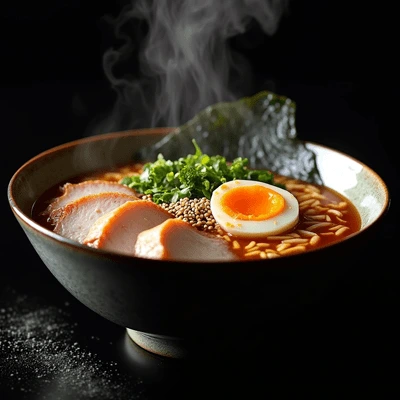
Culinary glossary of terms
The culinary glossary is a clear encyclopedia of cooking terms, techniques and ingredients that you will come across in recipes from home and world cuisines. It suits beginners who want to understand what a recipe asks for, as well as experienced cooks who need to check a particular method or the name of an ingredient.
Each entry comes with a plain explanation of how the term is used and what to watch out for while cooking, often with a practical tip right at the stove. Browse the entries alphabetically, or use the search when you are looking for a specific term.

Abalone, sea mollusc with a pearly shell
Abalone is a marine mollusc of the family Haliotidae with a flattened single shell lined with iridescent nacre. It lives attached to rocks in cool and tropical seas. The flesh has a firm, slightly chewy texture and a delicate marine flavour, and is usually tenderised by pounding before cooking. It is prepared grilled, sautéed in butter, fried in batter, braised in soy sauce, or served raw as sashimi. Highly valued in Chinese, Japanese, Korean, and Californian cuisines. Several species are protected due to overfishing, and much of todays supply comes from aquaculture.

Abbacchio, Roman milk-fed lamb
Abbacchio is a traditional Roman term for a young lamb fed only on mothers milk, typically up to 30 days old and weighing around 5 to 6 kilograms. The meat is very pale, finely fibred, and has a delicate, slightly milky taste without the pronounced gaminess of older lamb. It is an indispensable part of the Roman Easter table. Classic dishes include Abbacchio alla romana (with garlic, rosemary, anchovies, and vinegar), Abbacchio brodettato (in a lemon-egg sauce), and Abbacchio a scottadito (ribs grilled until just charred). Since 2009 the designation Abbacchio Romano has held EU Protected Geographical Indication (PGI) status.

Absinthe, anise-flavoured herbal spirit, the green fairy
Absinthe is a spirit distilled from a maceration of wormwood (Artemisia absinthium), anise, fennel, and other herbs. its characteristic colour ranges from pale green to amber. It was created in the late 18th century in Couvet, Switzerland, and in the 19th century became the cult drink of Parisian bohemia during the so-called green hour (l heure verte). Due to alleged hallucinogenic effects of thujone (a wormwood compound), it was banned across most of Europe and in the United States between 1910 and 1915. modern research has refuted those claims, and from the 1990s onwards absinthe has been gradually re-legalised. The traditional service is la louche: ice water is dripped over a sugar cube on a slotted spoon, releasing the essential oils and creating a milky louche.

Açaí, dark berries of the Amazon palm
Açaí are small round fruits of the Euterpe oleracea palm, native to the Amazon basin (especially Brazils Pará state). The edible flesh forms only a thin layer around a large seed and is high in fat, anthocyanins, and polyphenols. Because of the very short shelf life, the fresh berries are seldom sold outside the region. they reach Europe and North America as frozen pulp, freeze-dried powder, or pressed juice. In Brazil it is served as the base of the traditional açaí na tigela bowl with banana, granola, and guaraná. worldwide the açaí bowl is a popular fitness meal. The taste is deep and mildly bittersweet, with notes of dark chocolate and forest fruits.

Acarajé - Brazilian bean fritters

Achocha - exotic vegetable from the Andes

Ackee, the national fruit of Jamaica
Ackee is a tropical fruit of the soapberry family, native to West Africa (Ghana, Ivory Coast). It was introduced to Jamaica in the 18th century and became the symbol of the islands cuisine. The pear-shaped fruit splits open by itself when ripe, revealing three large black seeds surrounded by a butter-yellow aril, the only edible part. Unripe or unopened fruit contains toxic hypoglycins (especially hypoglycin A) that cause the so-called Jamaican vomiting sickness, so the fruit is harvested only after it has split naturally. Jamaicas national dish is Ackee and Saltfish (with salt cod). Ackees flavour is buttery, mild and faintly nutty, with a texture reminiscent of scrambled eggs or soft tofu.

Açorda - Portuguese bread soup

Adana kebab - spicy Turkish kebab

Adjika - spicy Caucasian paste

Agar - natural gelling agent

Agave - plant for syrup and tequila