Glossary of terms

A culinary glossary is a list of specialized terms and expressions used in gastronomy that helps you better understand recipes and cooking techniques. On our website, it serves as a useful guide for both beginners and experienced cooks.

Search for a term by letter:

Daal, Indian spiced lentils

Daal, Indian spiced lentils

Daal is a staple Indian vegetarian dish of stewed lentils or other pulses seasoned with spices, garlic, ginger and clarified butter.
View detail
Dakgalbi - spicy chicken stir-fry

Dakgalbi - spicy chicken stir-fry

Dakgalbi is a spicy Korean dish of chicken stir-fried on a large pan with gochujang sauce, cabbage, sweet potatoes and rice cakes at the table.
View detail
Dalamánek - traditional Czech bread roll

Dalamánek - traditional Czech bread roll

Dalamánek is a traditional Czech small bread roll with an elongated shape and characteristic slashes on the surface. It is baked from white wheat flour and features a crispy crust with a soft crumb. It is one of the oldest types of Czech bread and was traditionally served alongside soups and meat dishes. The name likely derives from the German Dalmatiner.
View detail
Dandelion - edible wild herb

Dandelion - edible wild herb

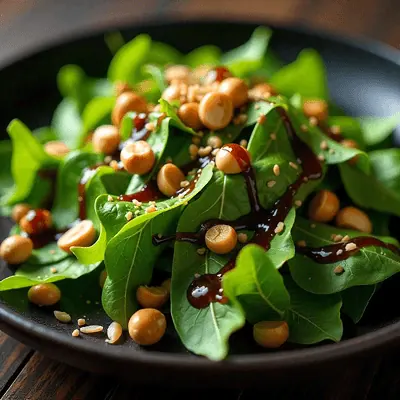
Dandelion is a common wild herb with characteristic yellow flowers and toothed leaves that grows almost everywhere in temperate zones. The entire plant is edible and has a long tradition in folk medicine and cooking. Young leaves are added to salads for their slightly bitter taste. The flowers are used to make dandelion honey, syrup, or wine. The root can be dried and used as a coffee substitute. Dandelion contains vitamins A, C, and K, potassium, and antioxidants. It has diuretic properties and supports digestion.
View detail
Dates - sweet fruits from the Orient

Dates - sweet fruits from the Orient

Dates are sweet fruits of the date palm tree, originating from the Middle East and North Africa. They are among the oldest cultivated crops in the world with a history spanning thousands of years. Dates are rich in natural sugars, fiber, potassium, and magnesium. They are consumed fresh and dried, used in desserts, smoothies, energy bars, and Middle Eastern cuisine.
View detail
Deep frying - cooking technique in oil

Deep frying - cooking technique in oil

Deep frying is a cooking technique in which food is submerged in a large amount of hot oil. The oil temperature typically ranges between 160 and 190 °C. The high heat quickly creates a crispy crust on the surface while the interior remains juicy. This technique is used to prepare French fries, doughnuts, schnitzel, and croquettes. The key to success is correct oil temperature and thorough drying of food beforehand.
View detail
Degreasing - removing excess fat

Degreasing - removing excess fat

Degreasing is a culinary technique involving the removal of excess fat from the surface of a liquid, most commonly from stocks, sauces, and soups. It is done by skimming fat with a spoon from the surface of hot liquid, or after cooling, when the fat solidifies on the surface and can be easily removed. Degreasing improves the taste, appearance, and digestibility of the dish.
View detail
Demi sec - semi-sweet wine

Demi sec - semi-sweet wine

Demi sec is a French term for semi-sweet wine or champagne. For sparkling wines, the demi sec category contains residual sugar between 32-50 grams per liter, making them notably sweeter than brut. This style is popular as an aperitif or accompaniment to desserts and fruit dishes. Historically, demi sec was the most popular style of champagne before dry brut took over.
View detail
Demi-glace - rich concentrated brown sauce

Demi-glace - rich concentrated brown sauce

Demi-glace je bohatá hnědá omáčka klasické francouzské kuchyně. Není jednou z pěti mateřských omáček (ty jsou bechamel, velouté, espagnole, hollandaise a rajčatová), ale odvozeninou z omáčky espagnole. Vyrábí se pomalým redukováním směsi hnědé espagnole omáčky a hnědého telecího vývaru, často v poměru přibližně 1:1, do poloviny původního objemu. Někdy se dokončuje Madeirou nebo sherry. Výsledkem je tmavá, lesklá a aromatická omáčka s sametovou konzistencí. Demi-glace slouží jako základ pro mnoho dalších odvozených omáček, jako jsou Bordelaise, Chasseur nebo Robert. Příprava vyžaduje několik hodin a trpělivost.

View detail
Dessert - the sweet finale

Dessert - the sweet finale

Dessert is a sweet dish served as the final course of a meal. The tradition of serving desserts dates back to the Middle Ages, when fruit, nuts, and honey were offered at the end of a feast. Today, dessert encompasses a wide range of sweet dishes, cakes, pastries, ice cream, puddings, mousse, and fruit salads. In gastronomy, dessert plays a key role as the finishing touch of a menu.
View detail
Digestif - the after-dinner drink

Digestif - the after-dinner drink

A digestif is an alcoholic drink served after a meal to aid digestion. The tradition of drinking digestifs dates back to antiquity, when certain herbs and distillates were believed to aid the digestive process. The most well-known digestifs include brandy, cognac, grappa, calvados, herbal liqueurs such as Fernet, and also port wine or sherry. Digestifs are served at room temperature in small glasses.
View detail
Dill - an essential herb of Central European cuisine

Dill - an essential herb of Central European cuisine

Dill is an aromatic herb with fine feathery leaves and a distinctive fresh flavour. It originates from the Mediterranean and Central Asia and is one of the most commonly used herbs in Central European cuisine. Dill is most often used in dill-cream sauce, soups, salads, and for pickling cucumbers. Fresh leaves have the best flavour, but dill can also be dried or frozen. Dill seeds have a stronger taste and are used as a spice. Dill contains vitamins A and C, iron, and manganese. In traditional medicine, it was used to support digestion.
View detail
Ad
Ad

Our editor's picks

Subscribe to
our newsletter

Ad
Image line 1
Image line 2
Image line 3
Image line 4
Image line 5
Image line 6
Image line 7
Image line 8
Image line 9
Image line 10