- Glossary
- Letter K
Culinary glossary of terms
The culinary glossary is a clear encyclopedia of cooking terms, techniques and ingredients that you will come across in recipes from home and world cuisines. It suits beginners who want to understand what a recipe asks for, as well as experienced cooks who need to check a particular method or the name of an ingredient.
Each entry comes with a plain explanation of how the term is used and what to watch out for while cooking, often with a practical tip right at the stove. Browse the entries alphabetically, or use the search when you are looking for a specific term.

Kale - nutrient-packed superfood
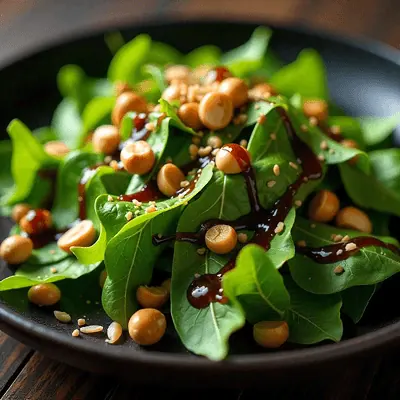
Kale is a leafy green vegetable from the cabbage family characterized by dark green, heavily curled leaves. It is considered a superfood due to its high content of vitamins A, C, and K, minerals such as calcium and iron, and antioxidants. Kale is frost-resistant and can be harvested even in winter. It is used in salads, smoothies, soups, and as a side dish. It can also be dried into crispy chips.
View detail
Kamut - ancient Khorasan wheat
Kamut is a trademarked name for Khorasan wheat, an ancient grain variety originating from the Middle East. Kamut grains are about twice the size of common wheat kernels and have a distinctive nutty, buttery flavor. It is rich in protein, minerals, and unsaturated fatty acids. Kamut is used to make flour, pasta, cereals, and baked goods. In cooking, whole kamut grains work well as a side dish or in grain salads.
View detail
Kare Raisu - Japanese curry
Kare raisu is Japanese curry served with rice. Compared to Indian curry, it is sweeter and thicker. It ranks among the three most popular dishes in Japan.
View detail
Karkade - Egyptian hibiscus tea
Karkade is a traditional Egyptian beverage made from dried flowers of the Sudanese hibiscus. It has a striking ruby-red color and a refreshing sour taste reminiscent of cranberries. The drink is served hot as tea or cold with ice and sugar as a refreshing lemonade. Karkade is rich in vitamin C and antioxidants and is used in traditional medicine to support digestion and lower blood pressure. It spread from Egypt across the Middle East, North Africa, and Latin America.
View detail
Käsespätzle - Bavarian cheese spaetzle
Käsespätzle are Bavarian egg noodles layered with Emmentaler cheese and topped with crispy fried onions, baked until the cheese melts.
View detail
Kasha - Russian buckwheat porridge
Kasha is a traditional Russian buckwheat porridge cooked with water or milk, a staple side dish of Russian cuisine with a nutty flavour.
View detail
Kaszanka - Polish Blood Sausage
Kaszanka is a Polish blood sausage made from a mixture of buckwheat groats, pork blood, onion and marjoram, stuffed into natural casings. It is served pan-fried or grilled until crisp, with onion, bread and mustard. It stands out for its high proportion of buckwheat, which gives it a characteristic grainy texture. It is hearty and filling.
View detail
Kebab - Turkish grilled meat
Kebab is a term for grilled meat dishes with over a hundred varieties, deeply rooted in both Turkish and Moroccan culinary traditions.
View detail
Kefir - probiotic fermented milk drink
Kefir is a fermented milk drink made using kefir grains, which contain a mixture of bacteria and yeasts. It originates from the Caucasus region, where it was traditionally prepared in leather bags. Kefir has a slightly sour taste and a thinner consistency than yoghurt. It is a rich source of probiotics, B vitamins, and calcium. Regular consumption supports digestive health and strengthens the immune system. It can be drunk on its own or used in smoothies, dressings, and baking.
View detail
Kefta Tagine - meatballs with eggs
Kefta tagine is a Moroccan dish of spiced meatballs simmered in tomato sauce with eggs. Prepared in a traditional clay tagine pot with aromatic spices.
View detail
Ketchup - the world's favourite tomato sauce
Ketchup is a thick sauce made from tomatoes, vinegar, sugar, and spices. It originally comes from Southeast Asia, where it was made from fermented fish sauce, but the modern tomato version was developed in the 19th century in the United States. Today, ketchup is one of the most popular condiments worldwide and is used as a dip and seasoning for fries, hot dogs, burgers, and many other dishes. Homemade ketchup can be prepared from fresh tomatoes with spices to taste.
View detail
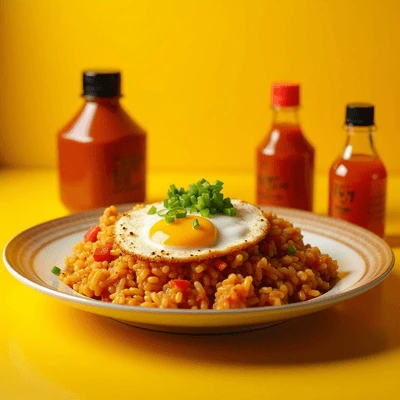
Khao Pad - Thai Fried Rice
Khao Pad is a Thai fried rice made with egg, vegetables and fish sauce. A staple of Thai cuisine that can be combined with chicken, prawns or tofu.
View detailAd


Ad