- Articles
- Healthy Cooking
- The effect of different types of heat treatments on nutrients
The effect of different types of heat treatments on nutrients

1. Boiling and Steaming, a Gentle Way to Preserve Nutrients
Steaming or braising are gentle methods, ideal for both vegetables and meat. For example, when you briefly braise broccoli and carrots in water with a little lemon juice, they retain their fresh color, crunchy texture, and most of the vitamin C.
- Vegetables: Broccoli, cauliflower, carrots, zucchini, short steaming preserves up to 90% of vitamin C and carotenoids. Braising with juice or a small amount of water also protects minerals.
- Meat: Braising beef or chicken at low temperatures helps preserve proteins and minerals such as iron and zinc.
Tip: Don’t throw away boiled or braised vegetables, the broth contains vitamins and minerals that have leached out of the food. It works great for soups, sauces, or risottos.


Braised chicken in its own juices kedjenou

Braised lamb with peas and rice bazella w riz
2. Frying and Roasting, Flavor First
Frying and roasting give food a crispy texture and intense aroma. For example, sautéed bell peppers, zucchini, or tomatoes develop a delicate caramelized sweetness, while meats like chicken breasts or beef slices get a golden crust and remain juicy inside.
- Vegetables: Bell peppers, zucchini, tomatoes, frying enhances aroma and sweetness, but sensitive vitamins, especially vitamin C, can be partially lost. Fat helps the absorption of fat-soluble vitamins (A, D, E, K), so sautéed vegetables with a bit of quality oil can be more nutritious than those boiled in water.
- Meat: Chicken or beef, gains a crispy golden crust, proteins remain stable, and minerals are preserved.
Tip: Short and quick roasting at medium temperature preserves both flavor and nutrients. Marinating in herbs and oil also protects the meat from drying out and creates antioxidants.


Fried pastries with meat and cheese sambousek

Fried Saigon spring rolls
3. Baking and Grilling, Aroma and Rich Flavor
Baking and grilling are ideal methods for preparing root vegetables, meat, and fish. For example, baked carrots and pumpkin develop a natural sweetness, baked peppers gain an intense aroma, and tomatoes even increase their lycopene content, an effective antioxidant. Meat, such as chicken thigh slowly baked at 160-180 °C, remains juicy inside and minerals are almost not lost. Grilling over direct fire gives dishes a crust and smoky flavor, so it is advisable to combine it with a marinade or bake at a lower temperature to minimize vitamin loss and prevent the formation of undesirable substances.
- Vegetables: Root vegetables, peppers, tomatoes, baking enhances aroma and some antioxidants, such as lycopene, even increase.
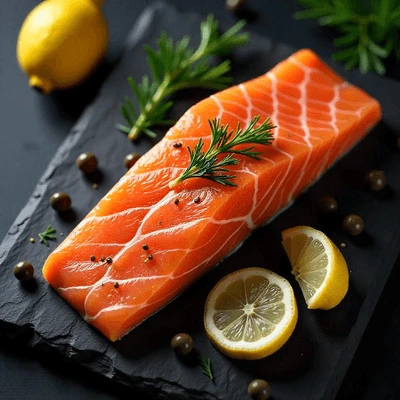
- Meat and fish: Chicken, beef, salmon, slow baking preserves minerals and juicy proteins. grilling adds a crust and pronounced flavor.
- Grilling: Recommended to combine with marinade (oil + herbs) to minimize the risk of harmful substances forming.
Tip: Combine baked vegetables with herb sauces or olive oil, it enhances flavor and supports the absorption of fat-soluble vitamins.


4. Microwave, a quick and gentle method
Microwave heating or short cooking in the microwave often preserves vitamins and minerals better than long cooking in water. For example, spinach or broccoli prepared for a few minutes in the microwave remain bright green, tender, and full of vitamin C. Fish cooked in the microwave retains a delicate texture and juiciness.
Tip: Cover the food with a suitable microwave container to keep the moisture inside. Do not overcook, the microwave is fast, and that is its advantage.

5. Combination of Methods, Smart Kitchen
Not all methods have to stand alone. For example, you can first briefly stew vegetables to preserve vitamins and minerals, and then roast them to achieve a crispy texture and intense aroma. Meat can be first braised for juiciness and then quickly roasted or grilled for a crust.
Such combinations maximize flavor and nutritional value and allow for creative cooking. For example, roasted chicken thigh with stewed vegetables offers an optimal balance between taste, texture, and nutrient content.
In Conclusion
Cooking is about balancing flavor, texture, and nutrition. Gentle methods like stewing, steaming, and microwaving preserve vitamins and minerals, while baking and frying add bold flavors and enhance the absorption of fat-soluble vitamins. A combination of methods is the ideal way to create dishes that are not only delicious but also healthy.