- Articles
- Inspiration and Season
- Cooking for Two Days: Smart Inspiration on How to Save Time and Eat Great the Next Day Too
Cooking for Two Days: Smart Inspiration on How to Save Time and Eat Great the Next Day Too

When cooking once makes sense for tomorrow too
Everyday cooking sounds ideal, but the reality is often different. After a long day, time and energy are often lacking. This is where a simple principle comes into play: cook once, eat twice, but each time a little differently.
Cooking for two days is not about reheating "yesterday's lunch," but about a thoughtful approach. Already during the first cooking, you think about how you will use the food the next day as well. The result is less stress, less work, and surprisingly more creativity in the kitchen.
A base that can be transformed
Success is built on the right chosen base. Ideal are dishes that are not too "closed" in flavor and allow for further modifications. Typically, these are various sauces, roasted meat, or cooked grains.
Imagine, for example, a simple tomato sauce. On the first day, you serve it with pasta and Parmesan. On the second day, you can bake it with eggplant or use it as a base for homemade pizza. Suddenly, it’s not leftovers, but a completely new dish.


Spaghetti with Tomato Sauce

Slovak Meatballs in Tomato Sauce
Roast chicken works similarly. While on the first evening you eat it classically with a side dish, the next day it can easily be transformed into a light salad, sandwich, or quick tortilla.


Roast Chicken with Potatoes

Chicken and Avocado Sandwich
A Small Change, a Big Difference
It is important not to fall into the impression that two days mean the same meal. Small adjustments are enough, and the result feels completely different. Spices, herbs, or the way of serving play a big role.
From one batch of rice and meat, you can create:
- a classic hot meal on the first day
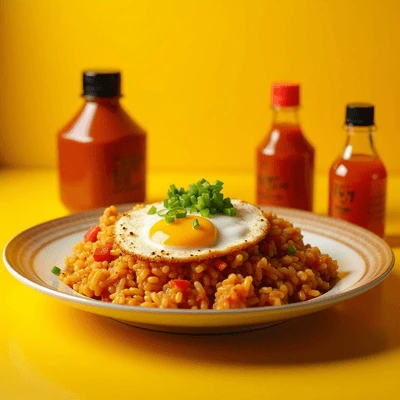
- a quick stir-fried mix in the style of "fried rice" on the second day
Similarly, baked potatoes can be cut up the next day, fried with onions, and complemented with egg or cheese. The taste and texture change so much that you don’t even feel like you are eating "the same thing."

Effective meal planning for the entire month. A practical guide that will save you time, money, and stress
Foods That Improve with Time
There is a whole group of dishes that actually benefit from being eaten the next day. The flavors meld, intensify, and the food gains greater depth.

Typical examples are various goulashes, curries, or legume mixes. Soups, especially broths or creamy varieties, also tend to be more flavorful and richer the next day. So if you know you will be cooking for two days, these recipes are a safe bet.


Proper storage is half the success
To ensure food tastes good the next day, it's not enough to just put it in the fridge. How you handle it right after cooking is important.
First, let it cool slightly, then store it in a sealed container and place it in the fridge. When reheating, it's worth adding a little liquid, such as broth or water, to keep the food juicy.
These little details often determine whether you look forward to another serving or just see it as a necessity.

Less work, less waste, more comfort
Cooking for two days also has practical benefits that you will appreciate very quickly. It's not just about time at the stove, but about overall comfort.
You cook less often, so:
- you use less energy
- you wash fewer dishes
- you make better use of the purchased ingredients
Additionally, you avoid the daily thinking about what to cook. And that is often the biggest burden.

How to Start Without Complicated Planning
You don't have to create a detailed meal plan for the whole week right away. Just start simply, cook one or two extra portions and think about how to prepare them the next day.
It's good to have a few basic combinations in mind that work:
- roasted meat → sandwiches or salad
- sauce → baked dish
- boiled side dish → sautéed mix
Gradually, you will develop your own system that suits you best.
A Smarter Approach to Cooking
Cooking for two days is neither a compromise nor laziness. It is a way to simplify your daily routine while still enjoying the pleasure of food. When you learn to think about food in context, you will find that your kitchen can make much more sense to you, and at the same time take less of your time.