- Articles
- Travel and World Cuisines
- Thai Cuisine: From Street Specialties to Iconic Curries and Noodle Dishes
Thai Cuisine: From Street Specialties to Iconic Curries and Noodle Dishes

Why Thai Cuisine Has Gained Admiration Worldwide
The popularity of Thai cuisine is no coincidence. Local dishes manage to combine distinct flavors so that none dominates the others. This balance is one of the main reasons why Thai gastronomy has won millions of fans around the world.
While some cuisines rely primarily on one dominant flavor, Thai recipes work with several layers of taste simultaneously. In one bite, you can recognize the sweetness of palm sugar, the saltiness of fish sauce, the freshness of lime juice, and the spiciness of chili peppers. The result is a complex flavor profile that feels harmonious and fresh.
Quick preparation of dishes also plays a big role. Thanks to this, vegetables, meat, and herbs retain their natural texture, color, and aroma. Many recipes also follow a simple philosophy that quality ingredients do not need complicated treatments.
History and Development of Thai Cuisine
The current form of Thai cuisine has developed over centuries. It was significantly influenced by trade exchanges and cultural contacts with neighboring countries. Inspiration came especially from China, India, Malaysia, and other parts of Southeast Asia.
From China, noodles and stir-frying techniques in a wok were introduced to Thailand. Indian influence was mainly reflected in the use of curry spices and aromatic blends. However, local chefs adapted foreign elements to the available ingredients and created a completely unique gastronomic tradition. Over time, a cuisine emerged that respects local conditions, the tropical climate, and the abundance of fresh ingredients. It is precisely because of this combination that Thai gastronomy is among the most recognizable in the world.

Typical ingredients indispensable to Thai cuisine
The characteristic flavor of Thai dishes is based on several basic ingredients. Many of them are now commonly available even outside Asia.
Among the most important is fish sauce, which gives dishes a distinctive saltiness and depth of flavor. Coconut milk plays a similarly important role, softening curries and soups.
Essential components also include aromatic herbs. Lemongrass brings fresh citrus notes, galangal resembles ginger but offers a more pronounced flavor profile. Kaffir lime leaves give dishes their characteristic aroma, and fresh coriander helps highlight the other ingredients.
Chili peppers are also very significant. Although many people associate Thai cuisine primarily with spiciness, chili is actually only one part of the overall flavor mosaic. The most common side dish is fragrant jasmine rice, which complements stronger dishes and helps balance their intensity.

Regional Differences in Thai Cuisine
Thai cuisine naturally varies according to different parts of the country, with each region offering a distinct flavor profile and ingredients. Northern Thailand is known for milder and less spicy dishes, where herbs and creamier sauces play a key role. A typical example is the local curry noodle soup, which combines gentle spices and coconut milk.
The northeastern region of Isaan, on the other hand, is considered the most distinctive part of Thai gastronomy. The dishes here are spicy, sour, and very aromatic, often based on fermented ingredients and fresh herbs. Many salads and grilled specialties that have gained popularity throughout the country originate from this area.
Central Thailand, including Bangkok, is the culinary heart of the country and the place where most of the dishes known worldwide were created. The cuisine here is balanced, emphasizing sweet-salty and mildly spicy combinations that are easily acceptable even for foreign diners.
Southern Thailand is strongly influenced by the sea and neighboring Malaysian culture. Seafood, coconut milk, and bolder spices dominate the cuisine, making the dishes aromatic and intensely flavorful.
The Most Famous Thai Dishes Worth Tasting
When you think of Thai cuisine, most people recall a few iconic dishes. However, their popularity did not arise by chance. Each of these dishes represents a different facet of Thai gastronomy and shows how diverse the local flavors can be.

Pad Thai
Pad Thai is one of the most well-known Thai specialties. Fried rice noodles are prepared with egg, tofu, shrimp, or chicken. The dish is complemented by peanuts, lime, and fresh herbs. It is precisely the contrast of flavors that makes Pad Thai a dish that gains fans all over the world. Due to its balance, it is often the first dish people encounter when discovering Thai cuisine.


Tom Yum
Tom Yum is an aromatic soup based on a combination of lemongrass, galangal, lime leaves, and chili. It offers a distinctive sour and spicy flavor, which is one of the symbols of Thai cuisine. It is most commonly prepared with shrimp, but there are also versions with chicken or seafood. Due to its intense aroma and refreshing character, it is one of the most popular Thai soups.

Tom Yum Goong
Green Curry
Green curry is made from coconut milk and green curry paste. The result is a creamy dish full of herbs and spices, most often served with jasmine rice. Despite its mild color, green curry is often considered one of the spiciest Thai curries. It has gained popularity primarily due to its rich flavor and pleasant creamy consistency.

Massaman Curry
Massaman curry combines Thai and Indian influences. Compared to other types of curry, it is milder and contains ingredients such as cinnamon, cardamom, or peanuts. It is often prepared with beef or chicken and is popular even among people who usually do not seek out very spicy dishes.

Massaman curry (Gaeng Massaman)
Som Tam
Som Tam is a refreshing salad made from unripe green papaya, originating from the Isaan region in the northeast of the country. It combines sweet, sour, salty, and spicy flavors in one dish. Besides papaya, it contains tomatoes, long beans, peanuts, lime juice, and fish sauce. In Thailand, it is one of the most frequently ordered dishes and is often served as a light lunch or a side dish to grilled meat.

Som tam, Thai green papaya salad
Khao Soi
Khao Soi is a specialty of northern Thailand that has been gaining increasing popularity among foreign visitors in recent years. This dish combines egg noodles with a rich coconut curry broth. A distinctive feature is the crispy fried noodles on top, which create an interesting contrast with the creamy texture of the soup.
Pad Krapow
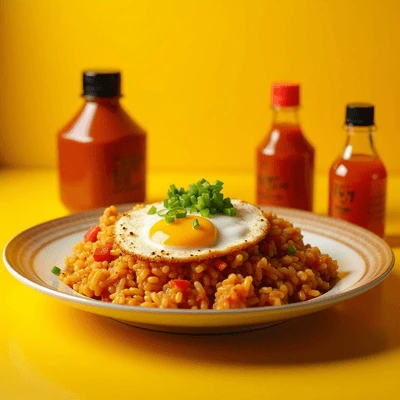
Pad Krapow is one of the most popular everyday dishes in Thailand. It is made from minced meat stir-fried with chili peppers, garlic, and Thai basil. It is most commonly served with rice and a fried egg. Although it is a simple dish, its intense flavor has made it one of the mainstays of Thai cuisine.
Mango Sticky Rice
Among famous Thai specialties, the dessert Mango Sticky Rice must not be missing. The combination of sweet sticky rice, coconut milk, and ripe mango is one of the most popular sweet dishes throughout the country. The dessert is most often served during mango season, when the fruits are juiciest and sweetest. Its popularity far exceeds the borders of Thailand and it often appears in foreign restaurants focused on Asian cuisine.


Coconut Milk Rice Porridge with Mango
Street Food: The Heart of Thai Culinary Culture
Street stalls are an integral part of everyday life in Thailand. For many locals, they represent the main way of dining as well as a place for social gatherings.
Markets and streets offer hundreds of different specialties. From freshly prepared noodles to grilled meat and exotic desserts. The advantage of street food is not only its accessibility but also its authentic taste. Visitors can watch the preparation of dishes right before their eyes. Sizzling wok pans, the aroma of herbs, and the speed of local cooks create an atmosphere that is one of the greatest gastronomic experiences when visiting Thailand. It is street food that helped Thai cuisine gain worldwide popularity. Many dishes known today were originally sold on the streets.

How to Prepare Authentic Thai Food at Home
Although some recipes may seem complicated, the basics of Thai cuisine can be mastered even in a home kitchen. More important than complicated procedures is the selection of the right ingredients. You can start, for example, with Pad Thai, coconut curry, or a simple Tom Yum soup. The key is to use fresh herbs and to taste continuously during cooking.
Thai cuisine is not based on strictly following proportions, but on finding a balance between the different flavors. The ability to harmonize the sweet, salty, sour, and spicy elements determines the final quality of the dish.
Why Thai Cuisine Inspires Modern Gastronomy
Many top chefs consider Thai cuisine to be one of the most interesting in the world. It inspires with its use of fresh ingredients, emphasis on balance of flavors, and ability to create bold dishes without unnecessary complexity.
The growing popularity of Asian gastronomy is also leading more people to discover traditional Thai recipes. Whether it’s simple noodle dishes, aromatic soups, or rich curries, Thai cuisine offers a unique experience that can appeal to both beginners and seasoned gourmets.


Korean cuisine: kimchi, bibimbap, bulgogi, and other flavors you will love