- Articles
- Travel and World Cuisines
- Asian Cuisine in a Nutshell: Flavors, Ingredients, and Techniques
Asian Cuisine in a Nutshell: Flavors, Ingredients, and Techniques

Asia as a Culinary World with Many Faces
The term Asian cuisine does not hide one style, but an entire culinary continent full of diverse traditions.
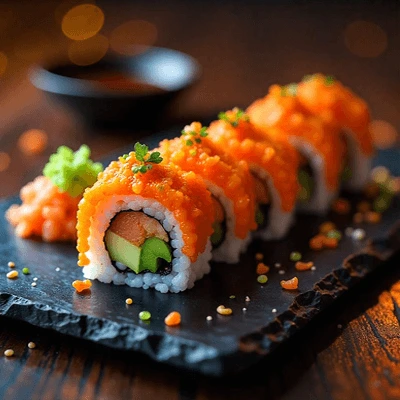
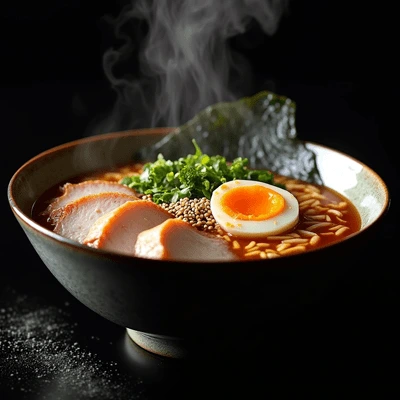
Chinese cuisine is characterized by quick preparation in a wok, fried rice, noodles, and dim sum dumplings. Japanese cuisine, on the other hand, is based on minimalism and precision, sushi, sashimi, miso soup, or ramen prove that even a few ingredients can create a deep taste experience.
Korean cuisine is known for its spiciness and fermented dishes. Kimchi, bulgogi, bibimbap, or Korean grilled meat show how sharpness, umami, and textures are combined. There is also a strong emphasis on seasonal vegetables and rice.
Southeast Asia brings bold and often spicier flavors. Thai cuisine combines coconut milk, curry pastes, lime, and chili in dishes like tom yum or green curry. Vietnamese cuisine relies on lightness, fresh herbs, and aromatic broths, typical examples are pho or spring rolls.
Indian cuisine is known for its rich use of spices, such as turmeric, cardamom, cumin, or garam masala, and dishes like dal, butter chicken, or various curries, which are combined with legumes, vegetables, and rice.


Basic Flavors That Create Harmony
One of the main principles of Asian cuisine is balance of flavors. The sweet component often comes from cane or palm sugar, or coconut milk, which softens spicy dishes. Saltiness is provided by soy sauce, fish sauce, or miso paste, common across various regions.
Acidity is added by rice vinegar in sushi rice, lime juice in Thai salads, or tamarind in Indian sauces. Spiciness comes from fresh chili peppers, chili oil, sambal, or Korean gochujang paste. It is precisely the combination of these flavors that creates the typical depth, making even a simple dish feel complex and balanced.

Typical Ingredients Essential to Asia
Asian cuisine is based on diverse and often seasonal ingredients that give each region its characteristic flavors. Rice is the foundation of almost every Asian cuisine, aromatic jasmine is used in Thailand, long-grain basmati in India, and short-grain sushi rice in Japan. Rice appears not only on its own but also in the form of noodles, rice paper, or flour for pasta and dumplings.
Other essential ingredients include noodles, which take various forms in different countries: rice noodles for Vietnamese pho, wheat and egg noodles for Japanese ramen, or glass noodles for salads and stir-fry. Noodles serve as a universal base that can be combined with meat, tofu, or vegetables and various sauces.
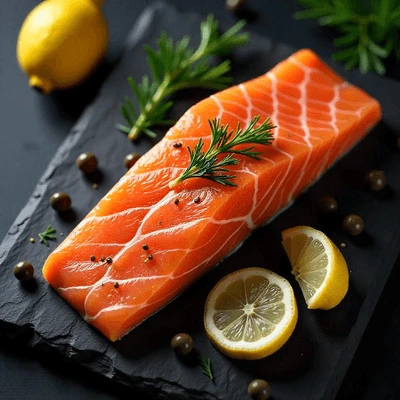
When it comes to proteins, Asian cuisine uses a wide range: tofu, tempeh, eggs, fish, seafood, as well as chicken, pork, or beef. Special emphasis is placed on freshness and quality, for example, sushi or sashimi require the highest quality fish.
The flavor of dishes is completed by sauces and seasonings. The most commonly used include soy sauce, oyster sauce, fish sauce, sesame oil, or peanut paste. These ingredients bring saltiness, umami flavor, and characteristic depth to dishes.
Equally important are herbs and aromatic spices, ginger, garlic, coriander, lemongrass, galangal, kaffir leaves, chili, or lime zest. These ingredients add freshness, aroma, and complexity to dishes. In many Asian cuisines, fermented products also play a significant role, such as miso paste, kimchi, or fermented soy paste, which further enhance the umami flavor.
Thanks to the combination of these basic ingredients, endless variations of dishes are created that are not only tasty but also visually attractive and diverse. Even a simple dish can gain depth and harmony typical of Asian cuisine with the right choice of ingredients.


Korean cuisine: kimchi, bibimbap, bulgogi, and other flavors you will love
Cooking Techniques: From Wok to Steam
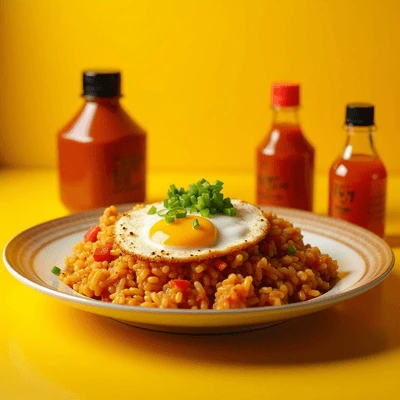
Asian cuisine employs various techniques that share one commonality, respect for ingredients. Stir-frying in a wok is very widespread, typical for Chinese chow mein noodles or fried rice. High temperature and short preparation time preserve the flavor and texture of the ingredients.
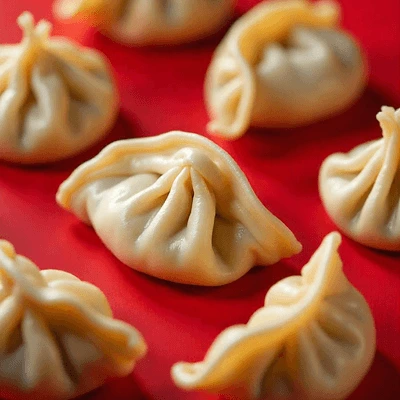
Another important technique is steaming, used for dim sum dumplings, bao buns, or fish in Japanese cuisine. Slow cooking and stewing are typical for Indian curries or Vietnamese broths, where flavors gradually merge. Fermentation also plays a significant role, for example, in kimchi, miso paste, or soy sauce.


Thai Cuisine: From Street Specialties to Iconic Curries and Noodle Dishes
Asian Cuisine at Home: Specific Inspiration
Preparing Asian dishes at home may seem complicated at first glance, but it actually relies on a few simple principles. Most recipes work with a short list of ingredients and quick preparation, which is ideal for everyday cooking during the workweek. The basics can be fried noodles with vegetables, rice with egg, soy sauce, and sesame oil, or a simple coconut curry with chicken or legumes.
With growing experience, additional layers of flavor can be added. Homemade ramen is no longer exclusive to restaurants, with quality broth, suitable noodles, an egg, and a bit of miso paste, a full-fledged meal is created. Vietnamese pho shows how important a slow-cooked broth and fresh herbs added at serving are.
A major advantage of Asian cuisine is its variability and adaptability. The same base can be varied according to the season or available ingredients, sometimes choosing tofu, other times shrimp or leftover meat. Just have a few key ingredients, like soy sauce, rice vinegar, coconut milk, and chili, and the possibilities quickly expand.


Conclusion
Asian cuisine is not just about exotic recipes, but primarily about the balance of flavors, aromas, and textures. This approach makes it one of the most inspiring culinary directions in the world. Whether you dive into simple noodles or slow-cooked broth, Asian cuisine offers room for exploration, creativity, and the joy of cooking.

What to Taste in Japan: Traditional Dishes and Specialties That Should Not Be Missed