- Articles
- Travel and World Cuisines
- What to Taste in Japan: Traditional Dishes and Specialties That Should Not Be Missed
What to Taste in Japan: Traditional Dishes and Specialties That Should Not Be Missed

A Variety of Flavors That Make Japanese Cuisine Exceptional
Few cuisines in the world are as closely connected to tradition, seasons, and regional customs as Japanese cuisine. Each region of the country offers its own recipes, local ingredients, and specific preparation methods. As a result, the menu differs significantly, for example, between the northern island of Hokkaido and the subtropical Okinawa.
An important part of the Japanese approach to cooking is respect for the ingredient itself. Chefs do not try to overpower the taste of ingredients with strong spices but rather highlight it. That is why light broths, fermented products, seaweed, quality rice, and fresh fish play a significant role here.
It is precisely this simplicity, which requires high-quality ingredients and careful preparation, that is one of the reasons why Japanese cuisine has gained recognition worldwide.
Sushi: a symbol of Japan best tasted directly in Japan
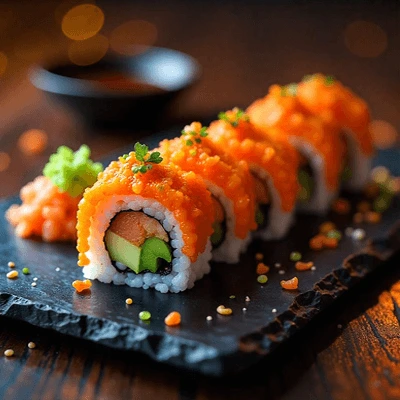
Sushi is one of the most well-known Japanese dishes, but the experience of tasting it directly in Japan is significantly different from the usual offerings abroad. The quality of fresh ingredients, the expertise of sushi masters, and the attention to every detail elevate this dish to a completely different level.
Many people focus primarily on the fish, but the properly prepared rice plays an equally important role. It must have the ideal consistency, temperature, and balanced flavor. It is precisely the combination of rice and fish that creates the final impression that distinguishes average sushi from truly exceptional sushi.
Besides the well-known maki rolls, it is also worth trying nigiri, sashimi, or chirashi sushi, where various types of fish are served on a bowl of rice. Each variant offers a slightly different gastronomic experience and allows for a better understanding of the diversity of Japanese cuisine.

Ramen: noodle soup with endless variations
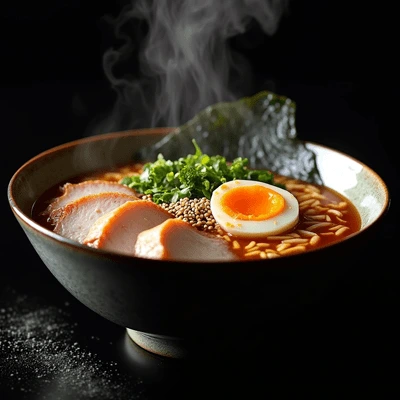
Ramen has become one of the most popular dishes throughout Japan over the past decades. Although it is technically a noodle soup, its preparation is often exceptionally complex, with some broths simmering for more than ten hours.
Each region offers its own style. In some areas, light soy-based broths prevail, while in others, rich and creamy versions made from pork bones dominate. The type of noodles also plays an important role, varying in thickness, texture, and length.
Ramen typically includes a marinated egg, slices of chashu pork, bamboo shoots, seaweed, or spring onions. The combination of ingredients creates a dish that can be both simple and incredibly complex.
Ramen is often regarded as the dish that best showcases the regional diversity of Japanese cuisine.

Tempura: a delicate specialty based on perfect technique
Tempura proves that even a seemingly simple dish can be the result of long refinement of culinary techniques. Pieces of vegetables, fish, or shrimp are coated in a light batter and fried at a precisely controlled temperature.
The result should be a delicate, airy, and crispy layer that does not overpower the flavor of the ingredient itself. Properly prepared tempura is neither greasy nor heavy, which surprises many visitors who expect a classic fried dish.
It is most often served with a light dipping sauce and a bowl of rice. In some restaurants, you can watch the entire preparation process right in front of you, making tempura not only a gastronomic but also a visual experience.

Okonomiyaki: a popular street food with many variations
Among the dishes that tourists often discover only during their visit to Japan is okonomiyaki. This dish is often referred to as a Japanese pancake or savory pie, but in reality, it represents a separate category of food.
The base consists of batter mixed with a large amount of cabbage, to which other ingredients are added according to the region or personal preferences. Commonly used are pork, shrimp, octopus, or cheese. After cooking, okonomiyaki is decorated with a special sweet and savory sauce, mayonnaise, seaweed, and dried fish flakes. The result is a dish full of different textures and bold flavors.
The most famous versions come from Osaka and Hiroshima, with significant differences between the two styles in preparation and layering of ingredients.


Miso and Fermented Specialties That Shape the Taste of Japan
Fermentation is one of the most important elements of Japanese cuisine. It produces ingredients that give dishes a distinctive depth and the so-called umami flavor.
The best-known product is miso paste made by fermenting soybeans. It is used not only in soups but also in marinades, sauces, and various stewed dishes. There are several types of miso, which differ in intensity and aging time.
Alongside miso, pickled vegetables, soy sauce, and natto also deserve attention. These traditional ingredients form the basis of many recipes and significantly influence the taste of Japanese gastronomy.

Wagyu: when quality meat becomes a culinary experience
Japan is known not only for its fish and seafood but also for its exceptionally high-quality wagyu beef. This meat is prized for its pronounced marbling, which ensures extraordinary juiciness and a tender texture.
During cooking, the fat gradually melts and imparts a characteristic flavor to the meat. That is why wagyu is often served in smaller portions, allowing the guest to fully enjoy its qualities.
Besides the famous Kobe beef, there are other valued varieties from different parts of the country. Tasting authentic wagyu is among the gastronomic experiences that many visitors to Japan remember long after returning home.

Japanese desserts surprise with delicacy and balance
Unlike many Western sweets, Japanese desserts tend to be less sweet and more focused on the natural flavor of the ingredients used. The result is desserts that feel light and elegant.
Mochi, rice cakes with various fillings, are very popular. They often contain sweet bean paste, seasonal fruit, or modern creamy fillings. Dorayaki are also popular, consisting of two fluffy pancakes joined by a sweet filling.
In modern patisseries, traditional recipes are often combined with matcha, black sesame, or yuzu citrus. This creates desserts that connect historical recipes with contemporary trends.

Tasting Japanese Cuisine is a Journey to Discover the Entire Country
Japanese gastronomy offers much more than just a few world-famous dishes. Every meal reflects the history of the region, available ingredients, and cultural traditions passed down through generations.
Whether it’s perfectly prepared sushi, a bowl of fragrant ramen, delicate tempura, or traditional desserts, each dish represents a part of the story of this fascinating country. That is why exploring Japanese cuisine is one of the most interesting ways to experience Japan from a slightly different perspective.

Korean cuisine: kimchi, bibimbap, bulgogi, and other flavors you will love