- Ingredients
- Letter C
Ingredients from A to Z
The ingredient overview shows you which recipes use a given product. From everyday home cooking basics to less common additions from world cuisines, each entry comes with the dishes it suits.
Browse ingredients alphabetically, or search for a specific one straight away. It comes in handy when you want to use up what you have at home, or when you are curious how a new ingredient is used in cooking.

Capers in Vinegar
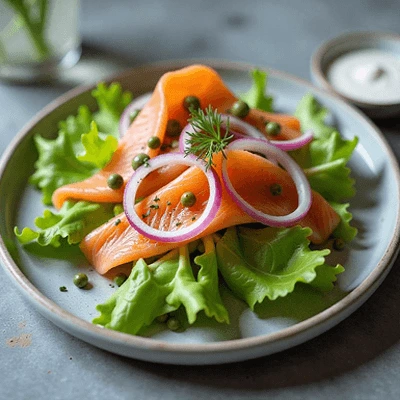
Capers in vinegar are the unripened flower buds of the Capparis spinosa shrub, preserved in a vinegar brine. The vinegar imparts a sharp acidity that complements their naturally pungent, salty-sour flavor. In the kitchen, they are an indispensable ingredient of Mediterranean cuisine, used in salads, sauces, spreads, fish dishes, and meat preparations. They are a key component of the classic tartare sauce and the Italian vitello tonnato. They pair beautifully with salmon, tuna, olives, and caperberries. It is advisable to rinse them with water before use to reduce excess acidity and saltiness.

Carambola
Carambola, also known as star fruit, is a tropical fruit native to Southeast Asia, instantly recognizable by its distinctive shape, a cross-section reveals a perfect five-pointed star. Its juicy flesh offers a refreshing flavor that balances tartness with mild sweetness, reminiscent of a blend of apple, pear, and citrus. The entire fruit is edible, including the waxy skin. It is most often served fresh as a garnish for desserts, fruit salads, or cocktails, but can also be grilled, used in sauces, or made into jams. Rich in vitamin C, B vitamins, potassium, and antioxidants, it is also very low in calories.

Caramel Pudding
Caramel pudding is a classic dessert that combines the silky, creamy texture of pudding with the rich, deep flavor of caramel. It is most commonly made from milk, eggs, sugar, and caramel, resulting in a smooth, velvety cream. The traditional French version, known as crème caramel or flan, is baked in a water bath and inverted to reveal a glossy caramel topping. It can also be made quickly using instant pudding powder for a simple everyday treat. Served chilled, it is often garnished with extra caramel sauce or whipped cream. Its naturally sweet flavor and soft consistency make it a favorite dessert for both adults and children alike.

Caramels
Caramels are confectionery treats made by cooking sugar, butter, and cream together through the process of caramelization, typically at temperatures between 120 and 160 °C. The result is a treat with a distinctive golden-brown color and a rich, buttery flavor with slightly bitter undertones. They come in a variety of textures, from soft and chewy to hard and crunchy. In cooking, they are used as an ingredient in desserts, chocolates, sauces, ice creams, and baked goods. The caramel flavor is one of the most popular in confectionery. They can be flavored with salt, vanilla, nuts, or fruit.

Caraway
Kmín patří mezi nejstarší a nejvíce používané koření ve střední Evropě. Skládá se ze semen rostliny Carum carvi, která má charakteristickou mírně sladkou, lehce anýzovou a zemitou chuť. Je nezbytnou součástí české a slovenské kuchyně, přidává se do chleba, kysaného zelí, bramborových pokrmů, hovězí svíčkové, dušených jídel a pečeného masa. Pomáhá trávení a snižuje nadýmání, proto se běžně přidává do bohatších a těžších pokrmů. Může se používat celé nebo mleté, celá semena jsou aromatičtější, zatímco mletý kmín uvolňuje svou chuť rychleji.

Caraway Bread
Caraway bread is a traditional baked good typical of Central European cuisine, particularly Czech, Slovak and German cooking. It is most often made from rye or mixed wheat-rye flour and features whole or crushed caraway seeds as its defining ingredient. The seeds give the bread its unmistakable aromatic flavour and also aid digestion. It pairs well with savoury dishes, soups, cured meats and cheeses, and makes an excellent base for open-faced sandwiches. It tastes great fresh or toasted. Thanks to the rye flour, it has a denser crumb and a longer shelf life than white wheat bread.

Cardamom
Cardamom is an aromatic spice originating from India and Guatemala and is considered one of the world's most prized spices. The seeds enclosed in small green or black pods have a distinctive, complex aroma that combines menthol, citrus, eucalyptus, and a slightly peppery quality. It is widely used in Indian, Arabic, and Scandinavian cuisines. It is added to curries, rice dishes, teas, coffee, gingerbread, Christmas baking, and desserts. Whole pods are added to braised dishes and rice, while the seeds are ground or crushed for a more intense release of flavor. It also has a long history in traditional medicine as a digestive aid and breath freshener.

Carnaroli Rice
Carnaroli is an Italian long-grain rice variety widely regarded as one of the finest for making risotto. It originates from northern Italy, particularly the regions of Lombardy and Piedmont. Carnaroli grains have a higher starch content and a firmer central core than other varieties, which helps them retain their shape during cooking without turning mushy. This quality allows the dish to achieve the classic creamy yet al dente texture of a well-made risotto. Compared to Arborio, Carnaroli cooks more slowly and absorbs stock and flavours more effectively. Italian chefs often refer to it as the king of risotto.

Carob
Carob is the fruit of the Mediterranean tree Ceratonia siliqua, also known as the locust bean. Dried and ground pods yield a naturally sweet powder with a caramel-like, slightly earthy flavour. It is widely used as a caffeine-free alternative to cocoa, it contains no theobromine, is naturally sweeter and lower in fat. Carob works well in baked goods, cakes, granola bars and smoothies. It is rich in dietary fibre, calcium and antioxidants. Its low fat content makes it a gentle choice for sensitive digestion and suitable for children.

Carob Powder
Carob powder is produced by grinding the dried pods of the Mediterranean tree Ceratonia siliqua. It serves as a natural substitute for cocoa powder, it contains no caffeine or theobromine, is lower in fat and naturally sweeter. The flavour is caramel-like with a slightly earthy undertone. It is widely used in baked goods, smoothies, puddings, granola and chocolate-style desserts as a caffeine-free alternative. Rich in dietary fibre, calcium and various minerals, it is suitable for children, pregnant women and those sensitive to stimulants.

Carob Sweets
Carob sweets are confections made with carob powder as a chocolate substitute. They have a naturally sweet, caramel-like flavour and contain no caffeine or theobromine, making them a popular alternative to chocolate sweets for both children and adults. In the kitchen they can be used as part of desserts, cake decorations or as an ingredient in baked goods. They are typically made by combining carob powder with coconut fat or cocoa butter and a sweetener. Suitable for those sensitive to caffeine and for vegetarians.

Carp
Common carp (Cyprinus carpio) is a freshwater fish with a special place in Central European cuisine, particularly as the traditional Christmas dinner fish in Czech and Slovak households. The meat is relatively fatty with a distinctive, pronounced fish flavour and white flesh. It is most often prepared breaded and fried, or cooked in the classic black sauce (kapr na černo). It is also used in fish soups, fish in aspic, and fish patties. Carp is a good source of omega-3 fatty acids, protein, B vitamins, phosphorus, and potassium. When preparing carp, it is important to remove the small bones or score the flesh so they soften during cooking.