- Ingredients
- Letter N
Ingredients from A to Z
The ingredient overview shows you which recipes use a given product. From everyday home cooking basics to less common additions from world cuisines, each entry comes with the dishes it suits.
Browse ingredients alphabetically, or search for a specific one straight away. It comes in handy when you want to use up what you have at home, or when you are curious how a new ingredient is used in cooking.

Nachos
Nachos are crunchy tortilla chips made from corn flour (masa harina), fried or baked until golden. They originate from Mexican cuisine and were invented by Ignacio Anaya from Piedras Negras, who first prepared them around 1943. They are served as a snack or starter with various dips, guacamole, salsa, sour cream or melted cheese. A popular version is baked nachos topped with grated cheese, jalapeños, beans and other ingredients. They are an essential part of Tex-Mex cuisine and a favourite food at sports events and parties.

Napa Cabbage
Napa zelí je asijská zelenina s protáhlou hlavou, křupavými bílými stonky a světle zelenými, jemnými listy. Pochází z Číny a je základní surovinou v asijské kuchyni. Má mírnou, lehce sladkou chuť a šťavnatou, křupavou texturu. Může se používat syrové v salátech a jahelních rolích, nebo vařené dušením, smažením nebo fermentací, přičemž nejznámější fermentovanou formou je korejské kimchi. Skvěle absorbuje chutě omáček a koření. Obsahuje málo kalorií, je bohaté na vitamíny C a K a hodí se jako základ pro lehká i vydatná jídla.

Natural White Wine
Natural white wine is produced with minimal intervention during fermentation and without the addition of chemical additives or preservatives. It typically originates from biodynamic or organic viticulture and offers a complex, earthy, sometimes funky flavour profile. In the kitchen, it works wherever a classic dry white wine is called for, in sauces, risotto, braised dishes or as a base for marinades. Its authentic taste can add remarkable depth and character to a wide range of recipes.

Nectarine
The nectarine is a fruit closely related to the peach, differing from it by its smooth, glossy skin without the characteristic fuzz. It has juicy, sweet-tart flesh with the fragrant aroma typical of stone fruits. Originally from China, it is now cultivated worldwide, particularly in Mediterranean countries. It is consumed primarily fresh but also works well in fruit salads, desserts, cakes, smoothies and jams. It pairs excellently with ricotta cheese, almonds or yogurt. Nectarines are a rich source of vitamins A and C, potassium and antioxidants. Their season typically runs from June to September.

Nettle
Stinging nettle is a wild plant that has been used for centuries not only as a medicinal herb but also as a wholesome culinary ingredient. Young leaves harvested in spring are nutritionally rich, containing vitamins C and K, iron, calcium, and chlorophyll. In the kitchen, they are most commonly used blanched or sautéed as a substitute for spinach. They work well in soups, sauces, stuffed pasta, risotto, or as a filling for pancakes and pies. Once cooked, the stinging properties disappear and the leaves develop a delicate, earthy, herbaceous flavour.

New Potatoes
New potatoes are young tubers harvested shortly after the plant flowers, before they fully mature. They have a thin, easily rubbed skin, firm flesh and a fresh, lightly sweet flavour with a distinctive earthy aroma. Compared to mature potatoes, they contain less starch and more natural sugars, which gives them their characteristic sweetness. In the kitchen they are most often boiled whole in their skins, roasted or gently cooked with butter and herbs, dill, garlic and fresh butter complement their delicate flavour beautifully.

Nigella seeds

Niva Cheese
Niva is a Czech blue-veined cheese with a blue-green mould culture running through its paste, inspired by the traditional French roquefort. It is made from cow's milk and aged for several weeks, during which air channels are pierced into the cheese to allow the growth of cultivated moulds. The flavour is bold, piquant and slightly spicy, with a characteristic creamy texture. In the kitchen, it works wonderfully in pasta sauces, steak sauces, on cheese boards, in salads and on baked toasts. Niva is a popular and affordable Czech alternative to more expensive foreign blue cheeses and is widely available in Czech shops.

Non-alcoholic sparkling wine
Non-alcoholic sparkling wine is made from ordinary wine whose alcohol is removed by vacuum distillation or membrane filtration, or directly from grape must carbonated with carbon dioxide. In taste and bubbles it resembles sparkling wine, but the alcohol content drops below 0.5 percent. In the kitchen it serves as the base for alcohol-free cocktails such as Bellini or Mimosa, and it works wherever a drink should look festive but must not contain alcohol. Serve it well chilled, around six degrees, in a tall glass that holds the bubbles.

Noodle bits
Noodle bits are a very small form of pasta most commonly added to soups, where they resemble tiny pieces or shapes. They are made from wheat flour, eggs, and water, just like regular noodles, but formed into very small fragments. In Central European cooking, they are used mainly in beef, cabbage, or vegetable soups. Their small size means they cook quickly and absorb the flavour of the broth beautifully. They are especially popular with children who know them from classic soups served in school canteens. They can also be used as a quick side dish or added to baked recipes.

Noodles
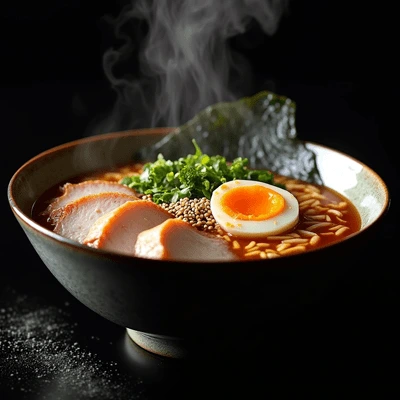
Noodles are one of the most widely consumed foods in the world, forming the backbone of countless cuisines from Asian to European. They are most commonly made from wheat flour, eggs, and water, and come in dozens of varieties differing in shape, length, and composition. In everyday cooking, noodles serve as a side dish for sauces, an essential ingredient in soups, or baked with eggs for a simple meal. In Asian recipes, they form the base of noodle soups, stir-fries, and cold salads. Their mild, neutral flavour makes them perfect for absorbing the taste of sauces and broths. They are best cooked al dente, firm to the bite.

Nori
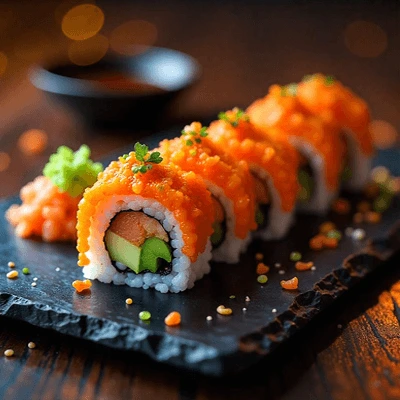
Nori are dried seaweed sheets most commonly associated with Japanese cuisine, particularly sushi preparation. They are made from red algae of the genus Pyropia and have a distinctive dark green to black colour, a paper-like texture, and a delicate, oceanic, slightly salty flavour. They are used as a wrapper for sushi rolls, onigiri and temaki. In the kitchen, they also work well as a crispy topping for soups, salads or rice dishes. Nori sheets are rich in iodine, vitamins and minerals. They also carry a natural umami flavour that significantly enhances the dishes they are used in.