- Ingredients
- Letter W
Ingredients from A to Z
The ingredient overview shows you which recipes use a given product. From everyday home cooking basics to less common additions from world cuisines, each entry comes with the dishes it suits.
Browse ingredients alphabetically, or search for a specific one straight away. It comes in handy when you want to use up what you have at home, or when you are curious how a new ingredient is used in cooking.

Wakame Seaweed
Wakame je jedlá řasa pocházející z japonských a korejských pobřežních vod, kde se pěstuje a sbírá. Delikátní, mírně mořská chuť se po namočení vyvíjí v příjemnou, mírně hedvábnou a jemnou texturu. V japonské kuchyni hraje klíčovou roli jako ingredience v miso polévce a japonských salátech, kde se dochucuje sezamovým olejem, rýžovým octem a sójovou omáčkou. Obvykle se prodává sušená. Před použitím ji stačí krátce namočit ve studené vodě. Obsahuje jód, vápník, hořčík a vitamíny skupiny B.

Walnut Liqueur
Walnut liqueur is an alcoholic beverage prepared by macerating nuts, most commonly walnuts, but also hazelnuts or almonds, in spirit with sugar and spices added. A classic example is the Italian Nocino, made from green walnuts harvested in summer. The flavour is rich and bittersweet with pronounced nutty and spiced notes. Walnut liqueur is served as a digestif after a meal, but it is also used in confectionery and cooking, as an ingredient in creams, chocolate desserts, ice cream or coffee drinks. It works particularly well in Christmas baking and chocolate truffles.

Walnut Oil
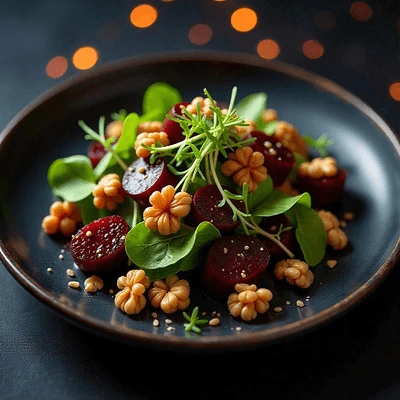
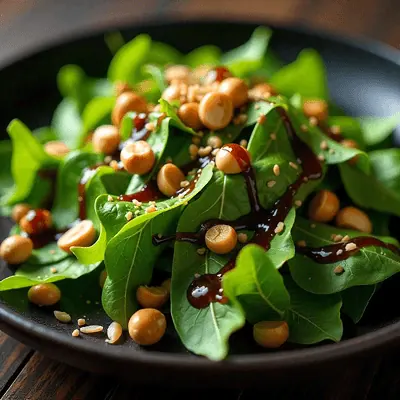
Walnut oil is pressed from walnut kernels and ranks among premium culinary oils. It has a characteristic golden-brown colour and a bold, slightly bitter nutty flavour with a rich aroma. Thanks to its high content of unsaturated fatty acids, particularly omega-3 and omega-6, it is considered beneficial for health. In the kitchen it is best used cold: in salad dressings, drizzled over bruschetta or as a finishing oil over completed dishes. It is not recommended for high-heat cooking as it oxidises easily. It pairs excellently with rocket, cheeses, beetroot and chocolate desserts.

Walnuts
Walnuts are popular nuts originally from Persia and Central Asia, now cultivated worldwide. They have a characteristic bittersweet flavor and a firm, lobed kernel protected by a hard shell. In the kitchen, they are highly versatile, added to salads, pasta, baked goods, cakes, chocolate desserts, and sauces. They are an excellent source of omega-3 fatty acids, B vitamins, and minerals. They pair wonderfully with cheeses, honey, fruit, and dark chocolate. Once shelled, they should be stored in a cool place to preserve freshness and prevent them from turning rancid.

Wasabi
Wasabi is a pungent Japanese condiment derived from the root of the Wasabia japonica plant. Freshly grated wasabi forms a smooth paste with a sharp, fleeting heat that hits the nasal passages rather than the tongue. Authentic wasabi is rare and expensive outside Japan, most products available on the market are substitutes made from horseradish, mustard, and food coloring. In Japanese cuisine, wasabi is traditionally served alongside sushi, sashimi, and noodle soups. It is used in small amounts as a dipping condiment or mixed into sauces. Beyond Japanese cooking, it appears in dressings, marinades, and as a spicy seasoning in various modern dishes.

Wasabi paste
Wasabi paste is a pungent Japanese condiment made from wasabi root (Wasabia japonica), or more commonly from a blend of horseradish, mustard, and green food coloring. It has a distinctive bright green color and an intensely sharp heat that, unlike chilli, dissipates quickly. In the kitchen, it is most often used as an accompaniment to sushi and sashimi, but it also works well in salad dressings, marinades, and dipping sauces. Only a small amount is needed, as the paste is highly concentrated. Thanks to its antimicrobial properties, it is traditionally served alongside fresh fish. It is widely available in tubes or as a powder to be mixed with water.

Wasabi Powder
Wasabi powder is a dried and ground form of wasabi, most commonly made from Japanese horseradish (Wasabia japonica) or as a blend of horseradish, mustard, and green food coloring. When mixed with a small amount of water, it forms a paste with the sharp, pungent aroma characteristic of wasabi. The powdered form is significantly more accessible and has a longer shelf life than fresh wasabi. It is used in the same way as paste wasabi, as a dip for sushi and sashimi, in dressings, sauces, or marinades. It is ideal for seasoning Asian-inspired dishes, noodle soups, or as a spicy condiment. The intensity of the heat can easily be adjusted by varying the amount of water added.

Water
Water is the most essential ingredient in any kitchen. It is indispensable for boiling pasta, rice and legumes, as well as for preparing soups, sauces and broths. It is also used for thinning batters, baking bread and making beverages. In recipes, it appears in various forms, boiling, lukewarm or cold. Its quality and mineral content can affect the taste of the final dish, which is why some cooks prefer filtered or spring water. It is a truly irreplaceable part of every kitchen.

Water spinach
Water spinach (Ipomoea aquatica, Thai pak bung, Vietnamese rau muống, also known as kangkong or morning glory) is a leafy green vegetable native to Southeast Asia. Botanically it is NOT related to true spinach but belongs to the morning glory family, it is a relative of the sweet potato. It has hollow crisp stems and lanceolate leaves with a mild, slightly sweet, faintly nutty flavour reminiscent of spinach. Classic dishes: Thai Pad Pak Bung Fai Daeng (stir-fried with garlic, chilli, and fermented soy bean), Vietnamese Rau Muống Xào Tỏi, and Chinese stir-fries. Briefly blanch or wok-sear before serving.

Wheat
Wheat is one of the most important cereal crops in the world and the primary raw material for producing flour, bread, pasta, groats and many other foods. It has been cultivated for thousands of years and forms the backbone of agriculture in Europe, Asia and the Americas. It contains carbohydrates, protein, fibre, B vitamins and minerals such as iron and zinc. Wholegrain wheat retains the bran and germ, making it more nutritious than white flour. The most widespread species are common wheat (Triticum aestivum) and durum wheat (Triticum durum), the latter used mainly for pasta.

Wheat Bread Flour
Wheat bread flour is a special type of wheat flour with a higher protein content (typically 11-13%), which creates a strong gluten network ideal for yeasted baking. It is used primarily for making bread, rolls and other leavened baked goods, where it ensures a good crumb structure and elastic dough. Compared to plain flour, it absorbs water more effectively and produces airier, longer-lasting baked goods. It can be combined with rye or wholegrain flour for a more pronounced flavour and higher fibre content. It is an essential ingredient for any home baker who wants great results with yeasted dough.

Wheat Flakes
Pšeničné vločky se vyrábějí párovým zpracováním a válcováním pšeničných zrn, což je částečně předvaří a činí je stravitelnějšími než celé obiloviny. Pšeničné vločky mají výraznější pšeničnou chuť a pevnější strukturu než ovesné vločky. Používají se k přípravě kaše, müsli, granoly nebo jako ingredience do těsta na chléb a sušenky. Obsahují komplexní sacharidy, vlákninu, bílkoviny a vitaminy skupiny B. Jsou uspokojivé a představují dobrou alternativu k ovesným vločkám pro ty, kteří preferují jinou chuť. Příprava je snadná, stačí je namočit do horkého mléka nebo vody, nebo je uvařit jako tradiční kaši.