- Ingredients
- Letter C
Ingredients from A to Z
The ingredient overview shows you which recipes use a given product. From everyday home cooking basics to less common additions from world cuisines, each entry comes with the dishes it suits.
Browse ingredients alphabetically, or search for a specific one straight away. It comes in handy when you want to use up what you have at home, or when you are curious how a new ingredient is used in cooking.

Cured meat
Cured meat is a general term for meat products that have been preserved or flavoured through smoking, salting, curing or a combination of these methods. This category includes hams, salamis, sausages, frankfurters, bacon, brawn and many other products. Cured meats have a distinctive, salty and often smoky flavour, and are a popular component of cold platters, sandwiches, pizza, pasta and soups. They have a long culinary tradition across Central Europe and are a staple of both everyday and festive cooking. Their shelf life is significantly longer than that of fresh meat.

Curing Salt
Curing salt is a mixture of table salt and sodium nitrite (or sodium nitrate) used for curing and preserving meat. Sodium nitrite inhibits the growth of bacteria, particularly Clostridium botulinum, and also gives cured meats and sausages their characteristic pink-red colour. It is widely used in home production of ham, salami, sausages and pâtés. It must be measured precisely according to the recipe, as excessive amounts of nitrites are harmful to health. It is usually sold as a slightly tinted salt to distinguish it from regular table salt. When using curing salt, always follow the recommended quantities and the manufacturer'so safety instructions.

Curly Lettuce
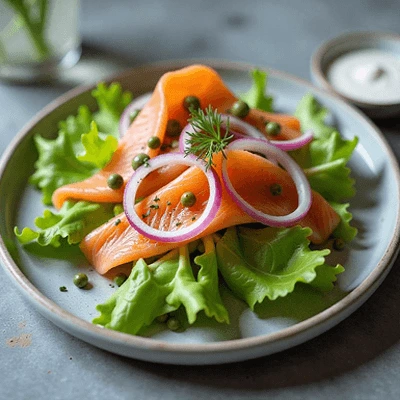
Curly lettuce is a leafy vegetable with characteristically wavy, light green leaves and a delicate, mildly bitter flavour. It belongs to the same family as iceberg or butter lettuce but has a more pronounced texture. In the kitchen it is most often used fresh, as a base for green salads, in sandwiches or as a decorative lining when plating dishes. Its leaves are firmer than those of other lettuce varieties, so they stay crisp for longer. It pairs well with light dressings based on lemon juice or yogurt. Curly lettuce is a low-calorie vegetable rich in water, vitamin K and folate. It should be stored in the refrigerator and, when handled properly, keeps for several days.

Currant
Currant is a small berry fruit from shrubs of the genus Ribes, available in three main colours, red, black and white. Red and white currants have a sweet-tart flavour, while black currants are more intense and aromatic. In the kitchen, they are used to make jams, marmalades, jellies, juices and syrups. They also work well in fruit desserts, cakes, muffins and as a garnish. Black currant is the base for the liqueur cassis. Currants are rich in vitamin C, antioxidants and flavonoids. They are harvested in summer and can easily be frozen for year-round use.

Currant Compote
Currant compote is a preserved fruit product made from red or black currants cooked in a sugar syrup. The berries retain their characteristic tart flavour and vibrant colour during preparation. Compote is traditionally made by home canning in jars, where it keeps throughout the winter. It is served as a side dish with both sweet and savoury foods, such as pork or beef dishes. It pairs wonderfully with pancakes and other pastries. The syrup from the compote works well as a base for sauces, dressings or fruit drinks. Currants are rich in vitamin C and antioxidants.

Currant Jam
Currant jam is a fruit preserve made from red or black currants, sugar and pectin. It is characterised by a distinctively sweet-tart flavour and a beautiful ruby colour. Most commonly spread on bread or toast, it also works well as a filling in cakes, croissants or as an ingredient in sauces for meat, particularly game and poultry. Homemade currant jam is popular partly due to the naturally high pectin content of the fruit, which ensures a good set without added thickeners. It is a source of vitamin C and antioxidants.

Curry
Curry is a spice blend originating from Indian cuisine that combines dozens of different spices and herbs. A typical curry powder contains turmeric, coriander, cumin, chilli, fennel, pepper, ginger, and mustard seeds, with each regional cuisine having its own unique recipe. Turmeric is the defining ingredient that gives curry its signature yellow color. It is used in sauces, soups, meat dishes, legumes, and vegetables. Many variations exist in world cuisine, Thai, Japanese, and Caribbean curries differ significantly from the Indian original. The intensity of heat varies depending on the blend.

Curry Leaves
Curry leaves are fresh or dried leaves of the Murraya koenigii tree, native to India and Sri Lanka. Despite their name, they are unrelated to curry spice powder and are a distinct ingredient with their own unmistakable aroma. Their scent is citrusy, slightly spiced, and mildly nutty. In South Indian and Sri Lankan cuisine, they are an indispensable ingredient, added to hot oil or ghee at the beginning of cooking, where they release their fragrance into the base of the dish. They are used in dals, curry sauces, soups, and fish dishes. Fresh leaves are significantly more aromatic than dried ones. They cannot be substituted with other herbs or regular curry powder.

Curry Paste
Curry paste is an aromatic spice blend central to Asian cuisine, made from a combination of fresh and dried ingredients. The base typically includes chillies, garlic, ginger, lemongrass, galangal, and various dried spices. The most well-known varieties are Thai red, green, and yellow pastes, each with a distinct composition and heat level. It is used as the base for sauces, soups, and stews, most commonly combined with coconut milk. Only a small amount is needed as the paste is highly concentrated and flavourful. Store it in the refrigerator, where it keeps for several weeks. It is an excellent choice for quick and delicious Asian-inspired dishes.

Cuttlefish
Cuttlefish is a marine mollusc belonging to the cephalopod family, related to octopus and squid. It is prized in cooking for its tender, firm meat with a mildly sweet, oceanic flavour. The body, the mantle, is sliced into rings or strips and prepared by grilling, frying, braising or boiling. Cuttlefish is particularly popular in Mediterranean cuisine, featuring in rice dishes, pasta and mixed seafood plates. The ink sac contains a dark pigment widely used to make black pasta or black rice. The meat is rich in protein, low in fat and a good source of minerals such as selenium and iodine.

Cuttlefish rings
Cuttlefish rings are the mantle of cuttlefish sliced into thin rings, ready for cooking. They are a popular seafood choice, especially in Mediterranean cuisine. The meat is tender, firm and has a mildly sweet oceanic flavour. The rings are most commonly coated in batter or breadcrumbs and fried until golden, or grilled with olive oil, garlic and herbs. They work well in paellas, seafood salads, pasta dishes or as a snack with a cold drink. They are rich in protein and minerals while being low in fat. The key to good preparation is to avoid overcooking, as this makes them tough, a quick sear or brief simmer is ideal.

Czech Dumplings (Noky)
Noky are a traditional Central European side dish, small dumplings or elongated shapes made from potato, semolina or flour-based dough. Unlike Italian gnocchi, which are specifically potato-based with ridged surfaces, noky is a broader Czech term encompassing various small dumplings served as a side dish. They can be prepared from potato dough, semolina, cottage cheese or bread. They are typically boiled and served with sauces, stews or as a side to meat dishes. In Czech cuisine, potato noky are the most common variety.