Culinary glossary of terms
The culinary glossary is a clear encyclopedia of cooking terms, techniques and ingredients that you will come across in recipes from home and world cuisines. It suits beginners who want to understand what a recipe asks for, as well as experienced cooks who need to check a particular method or the name of an ingredient.
Each entry comes with a plain explanation of how the term is used and what to watch out for while cooking, often with a practical tip right at the stove. Browse the entries alphabetically, or use the search when you are looking for a specific term.

Vurt - Czech sausage tradition
Vurt is a colloquial Czech term for a sausage or frankfurter, derived from the German word Wurst. This expression is commonly used in informal speech and refers to various types of cured meats. Sausages are most often served heated in water, grilled, or pan-fried. They are a typical accompaniment to beer, popular at barbecues or as a quick snack. In Czech pubs and street stalls, they are among the most beloved treats, served with mustard, horseradish, and bread.
View detail
Waffles - a crispy treat from the waffle iron
Waffles are sweet pastries with a characteristic grid pattern baked in a special waffle iron. The batter is made from flour, eggs, milk, butter, and sugar. There are many varieties from thin crispy Belgian waffles to soft American waffles. They are served with fruit, whipped cream, chocolate, maple syrup, or ice cream. Waffles are a popular breakfast food and dessert worldwide.
View detail
Wagyu - premium Japanese beef
Wagyu is premium Japanese beef renowned for its intense fat marbling, which gives it exceptional tenderness and a rich buttery flavour.
View detail
Walnuts - royal nuts for health
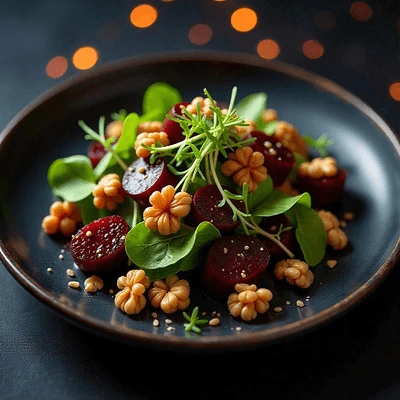
Walnuts are the fruits of the common walnut tree with a characteristic shape resembling the human brain. They rank among the most nutritious nuts due to their high content of omega-3 fatty acids, antioxidants, and minerals. In cooking, they are used in salads, baked goods, desserts, sauces, and as a standalone snack. Walnuts are a fundamental ingredient for nut creams, holiday cookie fillings, and traditional dishes.
View detail
Wasabi - Japanese green horseradish
Wasabi is a pungent green paste or powder obtained from the rhizome of the Wasabia japonica plant native to Japan. It has a characteristic sharp heat that, unlike chili spiciness, fades quickly. Real wasabi is rare and expensive, so most commercial products are made from a blend of horseradish, mustard, and food coloring. Wasabi is traditionally served with sushi and sashimi. It is also used in sauces, dressings, and marinades. Its heat releases aroma and enhances the flavor of raw fish.
View detail
Weißwurst - Bavarian white sausage
Weißwurst is a delicate Bavarian sausage made from veal and back fat, seasoned with parsley and lemon zest, traditionally served for breakfast.
View detail
Whey - valuable dairy byproduct
Whey is a yellowish liquid that forms as a byproduct during cheese or curd production. It contains valuable proteins, lactose, B vitamins, and minerals such as calcium and phosphorus. In the food industry, it is used to produce whey proteins, beverages, and baked goods. Whey was traditionally used in folk medicine. Today, whey protein is one of the most popular sports nutrition supplements in the world.
View detail
Whisky - grain spirit in the kitchen
Whisky is a distilled alcoholic beverage made from grain mash and aged in wooden barrels. It is primarily produced in Scotland, Ireland, the USA, Canada, and Japan. There are many types of whisky depending on ingredients and production methods, including single malt, blended, and bourbon. In cooking, whisky is used in sauces, marinades, desserts, and cocktails. It adds depth of flavor and pleasant smoky notes to dishes. Whisky is also used for flambing meat and in cream sauces for steaks.
View detail
White mustard - classic spice
White mustard is an annual plant from the cabbage family whose seeds are among the oldest spices in the world. The seeds are used to produce table mustard, an indispensable condiment for grilled meats, sausages, and sauces. The seeds have a pungent, mildly hot flavour and are used both whole and ground. In cooking, mustard is used for marinating meat, preparing dressings, and as an emulsifier in mayonnaises and vinaigrettes.
View detail
White pepper - mild spice for light dishes
White pepper is a spice obtained from the ripe fruits of the black pepper plant, with the outer skin removed. This gives it a milder and cleaner taste than black pepper, without fruity undertones. In the kitchen, it is used mainly in light sauces, cream soups, and potato dishes where dark specks of black pepper would spoil the appearance. White pepper is popular in French, Scandinavian, and Asian cuisines. It contains piperine, which aids digestion and nutrient absorption.
View detail
White radish - traditional root vegetable
Bílá ředkev je velká kořenová zelenina s bílou dužninou a výraznou pálivou chutí. Patří do čeledi Brassicaceae a pěstuje se především v Evropě a Asii. Má podlouhlý nebo kulovitý tvar a může dorůstat značných rozměrů. Obsahuje vitamín C, hořčičné oleje a vlákninu. V středoevropské kuchyni se konzumuje syrová a strouhaná jako salát, na otevřených sendvičích nebo jako příloha k pivu. V asijské kuchyni se používá vařená a fermentovaná.
View detail
Wiener Schnitzel - king of Central European cuisine
Wiener Schnitzel is an iconic Austrian dish made from a thin slice of veal coated in flour, beaten egg, and breadcrumbs, then fried in butter or lard. An authentic Wiener Schnitzel must be made from veal and should have a characteristic wavy crispy crust after frying. It is traditionally served with potato salad and a slice of lemon.
View detailAd


Ad