- Ingredients
- Letter P
Ingredients from A to Z
The ingredient overview shows you which recipes use a given product. From everyday home cooking basics to less common additions from world cuisines, each entry comes with the dishes it suits.
Browse ingredients alphabetically, or search for a specific one straight away. It comes in handy when you want to use up what you have at home, or when you are curious how a new ingredient is used in cooking.

Peanut Oil
Peanut oil is pressed from peanuts and is a popular cooking fat, especially in Asian and African cuisine. It has a pleasant, mildly nutty flavour and aroma. The refined variety has a high smoke point of up to 230 °C, making it excellent for deep-frying and wok cooking without burning. Unrefined, virgin peanut oil retains a more pronounced flavour and is better suited to cold dressings and sauces. It is rich in monounsaturated fatty acids and vitamin E. When preparing Asian dishes, such as noodles, curries or fried rice, it adds a characteristic depth of flavour that other oils cannot replicate.

Peanuts
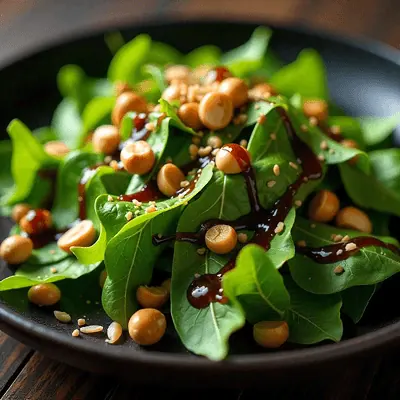
Peanuts (Arachis hypogaea), also known as groundnuts, are legumes native to South America and now cultivated worldwide. Although commonly grouped with nuts, they are botanically a legume whose pods ripen underground. They have a distinctive nutty flavour and are a popular snack, enjoyed roasted, salted, caramelised or raw. In the kitchen, they feature in Asian dishes, sauces, salads and confectionery. Peanut oil and peanut butter are both derived from them. They are an excellent source of plant-based protein, healthy fats, niacin, folate and magnesium.

Pear Brandy
Pear brandy is a fruit spirit distilled from fermented pears, belonging to the tradition of Central European fruit schnapps. It boasts a delicate, aromatic flavor with a pronounced pear bouquet and a pleasant fruity sweetness. The alcohol content typically ranges between 40 and 50%. In the kitchen, it is used as an ingredient in desserts, sauces, marinades, and cake fillings. It works beautifully for flambéing fruit or flavoring whipped cream. Pear brandy pairs exceptionally well with blue cheeses, chocolate, and coffee. It is served chilled as a digestif or used in cocktails and punches.

Pear Juice
Pear juice is a liquid pressed from fresh pears, retaining their naturally sweet flavour and delicate fruity aroma. It is rich in vitamin C, potassium, and dietary fibre, making it a popular healthy beverage. In the kitchen, it serves not only as a refreshing drink but also as a base for cocktails, fruit punches, and smoothies. It works well in salad dressings, marinades for poultry or lamb, and as a natural sweetener in baked goods. It pairs beautifully with spices such as cinnamon, cardamom, and ginger, and enhances the flavour of sauces and glazes alike.

Pearl Barley
Pearl barley consists of hulled and polished barley grains with the outer bran layers removed. The grains are round to oval in shape, pale beige in colour, and develop a soft, slightly chewy texture when cooked. They are a good source of dietary fibre, B vitamins, and trace minerals. In Central European cuisine, pearl barley is traditionally used in soups such as pea or barley soup, porridges, stuffings, and blood sausage. It takes longer to cook than rice, approximately 40-60 minutes. Barley absorbs the flavours of stock and spices well, making it an excellent ingredient in hearty, thickening dishes. It can also be used as a side dish in place of rice.

Pearl Barley Black Pudding
Pearl barley black pudding is a traditional Central European sausage filled with a mixture of pork blood, cooked pearl barley, pork meat, and lard, seasoned with spices such as marjoram, pepper, and garlic. Unlike standard blood sausage, the filling has a denser texture and more pronounced structure thanks to the added barley, which thickens the mixture and makes it more filling. It is served boiled or pan-fried, traditionally accompanied by sauerkraut and boiled potatoes. It is a classic product of home pig-slaughter traditions and butcher shops, with a bold, spiced flavour and a subtle earthiness from the barley.

Pearl onions
Pearl onions are tiny onions about 1-3 cm in diameter, grown as miniature varieties of the common onion (Allium cepa) or closely related species. They have a mild, slightly sweet flavour and peel easily after a brief blanching. They are traditionally added whole to French braises such as coq au vin and boeuf bourguignon, used in glazed sides (creamed pearl onions), pickled in vinegar, and serve as the classic garnish of the Gibson cocktail. Store dry and cool like regular onions. refrigerate after opening a pickled jar.

Pears
Pears are juicy fruits from trees of the genus Pyrus, cultivated worldwide in hundreds of varieties. They are known for their gentle sweetness, lightly floral aroma, and soft, tender flesh. In the kitchen, they are enjoyed both raw and cooked. They work wonderfully in fruit salads, cakes, tarts, jams, and compotes. They pair exceptionally well with cheeses, particularly blue and hard varieties, as well as nuts and honey. In savoury cooking, they are added to sauces for game, duck, or pork. Pears are a good source of dietary fibre, vitamin C, and antioxidants.

Pecan Nuts
Pecan nuts are the fruit of the North American tree Carya illinoinensis and rank among popular tree nuts. They have a smooth brown shell and gently grooved kernels with a naturally sweet, buttery flavour. They are an excellent source of healthy monounsaturated fats, vitamin E, magnesium and manganese. In the kitchen they are most commonly used in American pecan pie, but they also work wonderfully in granola, salads with goat's cheese, caramelised as a snack or in chocolate desserts. Their naturally sweet flavour sets them apart from other nut varieties and makes them a popular ingredient in both sweet and savoury dishes.

Pecorino
Pecorino is an Italian hard cheese made from sheep's milk. Its name derives from the Italian word pecora, meaning sheep. It comes in several regional varieties, the most well-known being Pecorino Romano, Pecorino Toscano, and Pecorino Sardo. It has a bold, salty, and slightly spicy flavour that deepens with aging. Younger types are milder and suitable for slicing, while aged varieties are perfect for grating. In the kitchen, it works as a substitute for Parmesan in pasta dishes, risotto, or soups. It also pairs beautifully with honey or fruit on a cheese board.

Pectin
Pectin is a natural plant-based substance from the polysaccharide group, found naturally in the cell walls of fruits and vegetables. The highest concentrations are found in apples, citrus fruits, quinces, and gooseberries. In the kitchen, it is primarily used as a gelling agent in the production of jams, marmalades, jellies, and fruit spreads. Thanks to pectin, moderately sweetened fruit preparations set without the need for prolonged cooking. It is sold in powdered or liquid form and is easy to use. It is suitable for vegans and vegetarians as an alternative to animal-derived gelatine.

Peeled Tomatoes
Peeled tomatoes are canned tomatoes with the skin removed, most commonly available as whole fruits or diced pieces packed in tomato juice. They are an essential ingredient in Italian and Mediterranean cuisine. Thanks to heat processing, they have a more intense and sweeter flavour than fresh tomatoes while retaining a high content of lycopene. They are ideal for preparing sauces, ragù, soups, braised meat dishes, or pizza. Simply crush or chop them and add directly to your dish. In the kitchen, they serve as a convenient year-round alternative to fresh tomatoes.