- Ingredients
- Letter S
Ingredients from A to Z
The ingredient overview shows you which recipes use a given product. From everyday home cooking basics to less common additions from world cuisines, each entry comes with the dishes it suits.
Browse ingredients alphabetically, or search for a specific one straight away. It comes in handy when you want to use up what you have at home, or when you are curious how a new ingredient is used in cooking.

Salt
Salt is one of the most fundamental seasonings and preservatives, used in kitchens around the world for thousands of years. Chemically it is sodium chloride (NaCl), obtained by mining rock salt deposits or by evaporating seawater. In the kitchen it serves multiple roles, it enhances the flavour of food, helps preserve ingredients, affects the texture of doughs, and regulates fermentation processes. Varieties such as sea salt, Himalayan pink salt, fleur de sel, and smoked salt differ in mineral composition, texture, and taste. Proper seasoning with salt is the foundation of any great recipe.

Salted Almonds
Salted almonds are roasted almonds seasoned with salt and sometimes additional spices. They are a popular treat served as a snack alongside drinks or as part of cheese and charcuterie boards. The flavor is distinctly nutty, crunchy, and salty, a combination enjoyed in cuisines around the world. They also work well as an addition to salads, providing a textural contrast, or as a garnish for desserts and chocolate products. Almonds are rich in healthy fats, protein, vitamin E, and magnesium. To make them at home, simply coat almonds in egg white with salt and bake in the oven until golden.

Salted cod

Salted Herrings
Salted herrings are small, fatty sea fish from the herring family, preserved by salting, brining or smoking. Their characteristic bold, salty and slightly tangy flavour makes them ideal for cold preparations. They are most commonly served as a starter or snack, often paired with onion, sour cream or bread. In Central European cuisine they have a long-standing tradition and are considered a classic delicacy available year-round. They are also used in salads, on platters or as part of fish marinades. Rich in omega-3 fatty acids, they are a nutritionally valuable food.

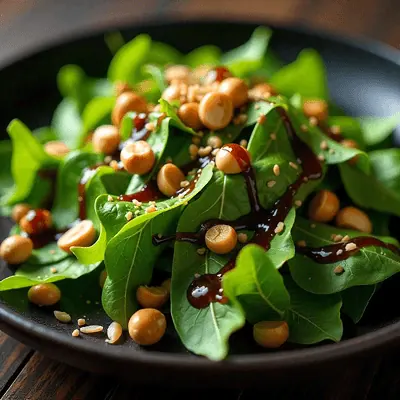
Salted peanuts
Salted peanuts are a popular snack made from roasted peanuts coated with coarse or fine salt. Their characteristic flavour combines the natural nuttiness with a bold salty taste, making them highly addictive. In the kitchen, they are used not only as a standalone snack but also as an ingredient in salads, Asian sauces, baked snack bars, and energy bars. They are a rich source of protein, healthy fats, and B vitamins. When cooking, it is important to account for their saltiness and adjust the amount of added salt in the recipe accordingly. They also pair wonderfully with desserts such as brownies or chocolate energy balls.

Sambal Oelek Paste
Sambal oelek is a traditional Indonesian chili paste and one of the most popular hot condiments in Southeast Asian cuisine. It is made primarily from crushed fresh chili peppers, salt, and vinegar. Unlike many other chili sauces, it contains no garlic or other dominant flavorings, which allows its clean, bright heat to shine through. It is used as a base for marinades, stir-fries, soups, and dipping sauces. It also works well as a table condiment served alongside rice, noodles, or meat dishes. Its versatility and bold flavor make it an essential ingredient in any well-stocked pantry.

Sardines
Sardines are small saltwater fish belonging to the herring family, named after the island of Sardinia. They are among the most popular and widely available seafood in the world. Fresh sardines are most often grilled or pan-fried, which brings out their rich, full flavour. They are an excellent source of omega-3 fatty acids, vitamin D, calcium and protein. In the kitchen, they work well as a standalone dish, a side, or as part of salads and spreads. They are especially popular in Mediterranean cuisine, where they are served with lemon, herbs and olive oil.

Sardines in Oil
Sardines in oil are a popular canned fish product where sardines are preserved in vegetable or olive oil. This method of preservation maintains their delicate flavour and ensures a long shelf life. The oil also softens the fish taste and adds a richer aroma to the product. They are an excellent source of omega-3 fatty acids, protein and vitamin D. In the kitchen, they are ideal for quick spreads, pasta dishes, pizza, salads or as part of antipasti platters. The oil from the can can be used to flavour other dishes. A staple in Mediterranean and global cuisines alike.

Sardines in Tomato Sauce
Sardines in tomato sauce are a canned fish product where sardines are preserved in a tangy tomato sauce. The combination of bold fish flavour with the slightly acidic tomato sauce creates a rich and satisfying taste. They are an excellent source of omega-3 fatty acids, protein, calcium and lycopene from the tomatoes. In the kitchen, they work well as a spread on bread, a sandwich filling, or as an ingredient in pasta and rice dishes. They are also popular as a quick and affordable snack. The long shelf life makes this canned product very practical. Widely enjoyed across Europe and Africa.

Sauerkraut
Sauerkraut is made through the natural fermentation of shredded white cabbage with salt, during which lactic acid bacteria convert sugars into lactic acid. The result is its characteristic sour taste and long shelf life without any need for heat treatment. It is an exceptionally rich source of vitamin C, vitamin K and beneficial probiotics that support the gut microbiome. In Central European cuisine it is a traditional accompaniment to pork dishes and dumplings, the base of sauerkraut soup and a staple in salads. It is also used as a filling for pastries, pierogies or sausages.

Sausage
Sausage is a traditional meat product made from ground or coarsely chopped pork, beef, or poultry, stuffed into casings and seasoned with spices, garlic, and salt. It is produced in many regional varieties, from spicy Hungarian sausage to smoked homemade versions and mild grilling types. In the kitchen, it is prepared by grilling, baking, boiling, or smoking. It pairs wonderfully with cabbage, mustard, fresh bread, or as an ingredient in goulash and garlic soup. Sausage is a popular choice for barbecues and a staple of traditional festive meals. The smoked variety has a bold flavor and excellent shelf life.

Sausage - smoked
Uzená klobása je tradiční masný výrobek vyrobený z hrubě mletého vepřového nebo hovězího masa, ochucený solí, česnekem a různými kořením. Charakteristická chuť pochází z procesu uzení nad dřevěným kouřem, který dodává masu výraznou vůni a prodlužuje jeho trvanlivost. Široce se používá v celé střední Evropě jako oblíbená ingredience v teplých i studených pokrmech. Skvěle se hodí na grilování, pečení v troubě, přidání do polévek, guláše nebo jako příloha k kysanému zelí. Vynikající je také podávaná studená, nakrájená na prkénku s chlebem a hořčicí. Díky vysokému obsahu bílkovin a tuku je to vydatné a uspokojivé jídlo.