Ingredients from A to Z
The ingredient overview shows you which recipes use a given product. From everyday home cooking basics to less common additions from world cuisines, each entry comes with the dishes it suits.
Browse ingredients alphabetically, or search for a specific one straight away. It comes in handy when you want to use up what you have at home, or when you are curious how a new ingredient is used in cooking.

Aronia
Aronia, also known as chokeberry, is a small dark purple to black berry native to North America. It is known for its distinctly tart and astringent flavour, which is due to its high tannin content. Thanks to its exceptionally high levels of antioxidants, vitamin C and polyphenols, it is considered a superfood. In the kitchen, aronia is most commonly processed, it is used to make jams, jellies, juices, syrups, wines and liqueurs. It also works well in smoothies, where it pairs nicely with sweeter fruits. Dried berries can be added to granola, herbal tea blends or baked goods.

Arrowroot
Arrowroot is a fine white starch extracted from the root of the tropical maranta plant. It serves as a gluten-free thickener with a neutral flavour that, unlike cornstarch, does not cloud liquids. It is suitable for thickening fruit sauces, glazes, puddings and delicate creams. It dissolves easily in cold water and thickens at lower temperatures than other starches. It is often used in baby food due to its easy digestibility. It should be stored in a dry place at room temperature.

Artichokes
The artichoke is a vegetable of Mediterranean origin, derived from the thistle-like plant Cynara cardunculus. The most commonly eaten parts are the fleshy heart and the tender base of its scaly leaves. The flavour is mildly bitter with a subtle nutty and sweet note. In the kitchen, artichokes are boiled, grilled, braised or roasted, and used in salads, pasta dishes, risottos, baked recipes and on pizza. Younger, smaller specimens can be eaten raw. They are an excellent source of dietary fibre, vitamin C, folate and antioxidants. Artichoke paste and tapenade are also popular as spreads or accompaniments to antipasti platters.

Artificial Sweetener
Artificial sweeteners are sugar substitutes of synthetic or natural origin that provide a sweet taste with minimal or zero caloric contribution. The most well-known include aspartame, saccharin, sucralose, and acesulfame K. They are widely used in the food industry to produce diabetic products, low-calorie drinks, chewing gums, and sweets. In home cooking, they serve as a sugar replacement for cooking, baking, or sweetening beverages. Their sweetness is many times greater than that of regular sugar, so only very small amounts are needed. The suitability of a particular sweetener depends on its heat stability, as not all are suitable for cooking and baking.

Asafoetida
Asafoetida je pryskyřičná koření získávaná ze sušené mízy rostliny Ferula assa-foetida, která pochází z stepí Střední Asie a Íránu. V syrovém stavu má velmi intenzivní, štiplavý a sírový zápach, který při vaření zmizí a promění se v jemnou cibulovou a česnekovou chuť. Proto se široce používá v indické kuchyni jako náhrada cibule a česneku, zejména v pokrmech připravovaných pro vegetariány a vegany, kteří se těmto surovinám vyhýbají z náboženských důvodů. Přidává se v malém množství do horkého oleje nebo přepuštěného másla (ghee). Objevuje se v čočkových dálech, kari omáčkách a zeleninových pokrmech. Nejčastěji se prodává jako prášek.

Ascorbic Acid
Ascorbic acid is the chemical name for vitamin C, a compound naturally found in fruits and vegetables, but also available in the kitchen as a white crystalline powder. In the food industry it is registered as additive E300 and primarily serves as an antioxidant that prevents oxidation and unwanted browning of cut fruit or vegetables. It is added to preserves, jams, fruit juices and meat products to aid preservation and maintain color. In larger quantities it imparts a distinctly sour taste to dishes. At home it is used, for example, when preparing homemade lemonades or as a supplement during fermentation.

Asian Egg Noodles
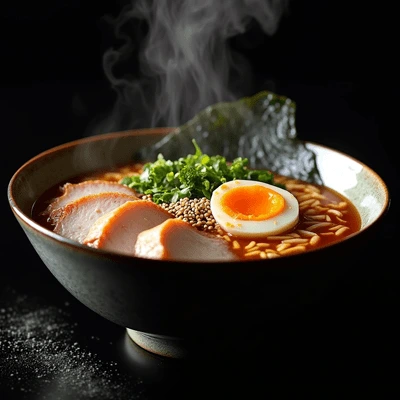
Asijské vaječné nudle jsou tradiční nudle široce používané v čínské, japonské, thajské a vietnamské kuchyni. Vyrobené z pšeničné mouky a vajec, mají charakteristickou žlutou barvu, pevnou texturu a bohatší chuť ve srovnání s alternativami na bázi rýže. K dispozici jsou čerstvé, sušené nebo předvařené a nabízejí širokou škálu tlouštěk, od tenkých, vláknitých pramenů po ploché, širší varianty. Tvoří základ ramenové polévky, thajského pad thai, čínského smaženého chow mein a lo mein nudlí, a jsou také vynikající v vývarech, wok pokrmech a salátech. Krátká doba vaření činí čerstvé nudle připravené přibližně za dvě minuty.

Asparagus
Asparagus is a popular spring vegetable with a delicate, slightly bitter flavour and a crisp texture. The two most common varieties are white asparagus, grown underground without light, and green asparagus, which grows above the surface. White asparagus has a milder, earthier taste, while green asparagus is more intense and aromatic. It is suitable for boiling, grilling, roasting or steaming. A classic preparation involves cooking in salted water and serving with hollandaise sauce or clarified butter. The season typically runs from April to June. Asparagus is a good source of folate, vitamin K and dietary fibre. Before cooking, snap off the tough woody ends of the stalks.

Aspic
Aspic is a dish or culinary ingredient made from clear, set meat or vegetable jelly, formed by chilling a rich stock enriched with gelatine. It is used to coat and preserve meat, fish or vegetable components, giving them a glossy, transparent finish and extending their shelf life. In the kitchen, it is used to prepare cold platter dishes, formal terrines, pâté en croûte and decorative galantines. Aspic was a staple of classical French and Central European cold cuisine. Today it is also used in modern elegant starters and buffet dishes where visual presentation plays an important role.

Aubergine
Aubergine, botanically known as Solanum melongena, is a vegetable belonging to the nightshade family, closely related to tomatoes and peppers. It originates from South Asia and is today an essential ingredient in Mediterranean, Middle Eastern, Asian and Southern European cuisines. The fruits are most commonly dark purple, though white, striped and pale green varieties also exist. Raw aubergine has a slightly bitter taste and a spongy texture. cooking softens its flavour and gives it a creamy consistency. It can be grilled, roasted, fried, stewed or baked. It is the star ingredient in dishes such as moussaka, ratatouille, baba ganoush and parmigiana di melanzane.

Avocado
Avocado is a tropical fruit native to Central America, now cultivated in many warm regions around the world. The fruits are characterised by their pear-like shape, dark green to black skin and creamy, light green flesh with a delicate buttery flavour. Unlike most other fruits, avocados are rich in healthy monounsaturated fats, vitamins E, K and B6, potassium and dietary fibre. In the kitchen they are most commonly used to make guacamole, added to salads, sandwiches and toast, but they also work well in soups, smoothies and as a filling for sushi. Avocados ripen at room temperature after purchase, which is why they are often sold while still firm.

Avocado oil
Avocado oil is a premium edible oil pressed from the flesh of ripe avocados. It has a delicate, buttery taste with a light herbal note and pale green color. Thanks to its high smoke point of around two hundred and fifty degrees Celsius, it is suitable for frying, grilling, and baking at high temperatures where other oils degrade. It also works beautifully cold as a salad dressing or marinade base. Avocado oil is rich in monounsaturated fatty acids, vitamin E, and lutein. In the kitchen, it can fully replace olive oil for most applications. It is increasingly popular in homemade cosmetics as well.