- Ingredients
- Letter R
Ingredients from A to Z
The ingredient overview shows you which recipes use a given product. From everyday home cooking basics to less common additions from world cuisines, each entry comes with the dishes it suits.
Browse ingredients alphabetically, or search for a specific one straight away. It comes in handy when you want to use up what you have at home, or when you are curious how a new ingredient is used in cooking.

Rhubarb
Rhubarb is a vegetable with thick, firm stalks typically red or pink in colour, most commonly used in the kitchen as a fruit. The stalks have a distinctly tart flavour and should be chopped and usually sweetened before use. It is most often used in pies, cakes, jams, compotes, and sauces. A classic combination is rhubarb with strawberries. The leaves of the plant are toxic and must not be consumed. The season begins in spring and lasts until approximately June. Rhubarb is rich in vitamin K, calcium, and antioxidants. Adding sugar before cooking is recommended to balance its natural acidity.

Rhubarb juice
Rhubarb juice is a refreshing drink made from pressed or cooked rhubarb stalks. It has a distinctly sharp, sour flavor with a slightly astringent undertone, which can be balanced with added sweetener. In the kitchen, it is used as a base for homemade lemonades, cocktails, and fruit punches. It can also be added to jams, sauces, marinades, and salad dressings as a substitute for lemon juice. It pairs wonderfully with strawberries, raspberries, or ginger, which help balance its acidity. Rhubarb juice is rich in vitamin K and contains antioxidants. It is important to use only the stalks, rhubarb leaves are toxic and should never be consumed.

Ribeye (High Roast Beef Cut)
Ribeye, known in Czech as vysoký roštěnec, is a premium beef cut taken from the upper back of the animal, specifically from the front section of the longissimus dorsi muscle. It is characterized by rich marbling, which makes the meat exceptionally juicy and flavorful. It is one of the most prized steak cuts, used for classic preparations such as entrecôte or rib eye steak. It is well suited for grilling, pan-searing, and slow roasting. The fat marbling ensures the meat stays moist even at higher temperatures. For best results, ribeye should be served medium or medium rare to fully appreciate its natural tenderness and flavor.

Rice
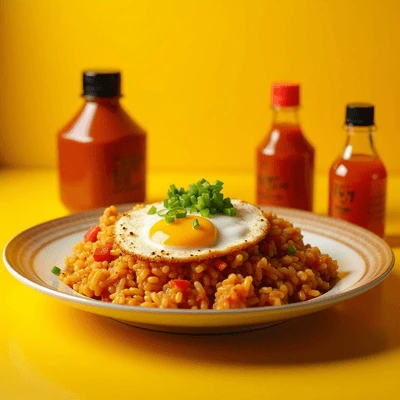
Rice is one of the most important grains in the world and a staple food for more than half of the global population. It originates from Southeast Asia and is cultivated on every continent except Antarctica. There are many varieties, long-grain, medium-grain and short-grain, white or wholegrain. It is cooked in water or steamed, with each variety requiring a different water ratio and cooking time. It is used as a side dish, as a base for soups, risotto, sushi, porridge or sweet desserts. White rice is a good source of carbohydrates, while wholegrain rice contains more fiber and B vitamins. Rice is gluten-free, making it suitable for people with celiac disease.

Rice drink
Rice drink is a plant-based beverage made from water and rice, most commonly white or brown. It is produced by soaking and blending rice with water, then straining the liquid. It has a naturally sweet, mild flavour and a slightly watery consistency. A popular alternative to cow's milk, especially among vegans, people with lactose intolerance or soy allergies. It works well in coffee, tea, smoothies, cereals, and can also be used for cooking and baking. Compared to cow's milk, it contains less protein and fat but more carbohydrates. It is available in various versions, sweetened, unsweetened, or enriched with calcium and vitamins.

Rice Flakes
Rice flakes are flat rice grains that have been husked, steamed, and rolled. This process makes them easy to digest and quick to prepare, simply soak briefly or simmer for a short time. They have a mild, slightly sweet taste and a neutral aroma, making them suitable for both sweet and savory dishes. They are used to make porridges, muesli, desserts, and also as a thickener in soups and sauces. They are naturally gluten-free, making them popular among people with celiac disease or gluten intolerance. They originate from South and Southeast Asia, where they are a staple of traditional cuisine.

Rice Flour
Rice flour is a finely milled flour made from white or brown rice. It is naturally gluten-free, making it a popular choice in gluten-free baking and cooking. It works well in batters, pancakes, cookies, and as a thickening agent for sauces and soups. In Asian cuisine, it is widely used to make noodles, rice paper, and various desserts. Compared to wheat flour, it has a finer texture and a more neutral flavour. Dishes made with it tend to be lighter and crispier. When baking, it is recommended to combine it with other gluten-free flours to achieve a better dough structure.

Rice Milk
Rice milk is a plant-based drink made from cooked rice blended with water and then strained into a smooth liquid. It is naturally free from lactose and gluten, making it suitable for people with milk intolerance as well as vegans. It has a mildly sweet flavour and a thinner consistency than cow's milk. It works great in coffee, cereals, smoothies, and also in baking and sweet cooking. Its light and neutral taste means it does not overpower other ingredients. It contains less protein than cow's or soy milk, but is naturally higher in carbohydrates. It is available in various versions on the market, such as those enriched with calcium or vitamins.

Rice Noodles
Rice noodles are pasta made from rice flour and water, typical of Asian cuisine. They are naturally gluten-free and come in various thicknesses, from very thin vermicelli to wider flat noodles. Before use, they are usually soaked in warm water or briefly boiled. They are used in soups, stir-fries, salads, and as a side dish. Their flavour is neutral and they readily absorb the aromas of spices and sauces used. They are a key ingredient in famous dishes such as Vietnamese pho soup or Thai pad thai. For a gluten-free diet, they are an excellent substitute for classic wheat pasta.

Rice Paper
Rice paper is a thin, translucent sheet made from rice flour, water and tapioca starch. It originates from Southeast Asia, where it is widely used in Vietnamese, Thai and Chinese cuisine. When dry, the sheets are brittle and fragile, but after a few seconds of soaking in warm water they become flexible and pliable. They are most commonly used to wrap spring rolls and fresh summer rolls filled with vegetables, shrimp, rice noodles or meat. Rice paper can also be deep-fried, when submerged in hot oil it turns wonderfully crispy. It has a neutral, mildly sweet flavour that does not overpower the other ingredients. It is naturally gluten-free.

Rice Pudding
Rice pudding is a smooth, creamy dish made by cooking rice in milk or water until it becomes soft and reaches a thick, velvety consistency. It is a traditional comfort food enjoyed in many cultures around the world. In Central European cuisine, the most common version is sweetened with sugar and flavored with cinnamon. It is served as a breakfast, snack, or light dessert. Rice pudding is especially popular with children and is often recommended as a gentle meal during recovery from illness. It can be enriched with fruit, nuts, honey, or jam. Easy to digest, filling, and a good source of energy from carbohydrates.

Rice Puffs
Rice puffs are light, airy snacks made from rice or corn, popular as a snack or a side with soups. They are produced by puff-roasting grains at high temperature and pressure, resulting in a light and crispy texture. The flavour is mild and slightly neutral, though they can be seasoned to be salty, sweet, or spicy. They are especially popular with children and those looking for a lighter alternative to classic potato crisps. Rice puffs are naturally gluten-free, making them suitable for people with coeliac disease. They also work well as a base for dips or as a crunchy addition to meals.