- Ingredients
- Letter S
Ingredients from A to Z
The ingredient overview shows you which recipes use a given product. From everyday home cooking basics to less common additions from world cuisines, each entry comes with the dishes it suits.
Browse ingredients alphabetically, or search for a specific one straight away. It comes in handy when you want to use up what you have at home, or when you are curious how a new ingredient is used in cooking.

Smoked Tuna
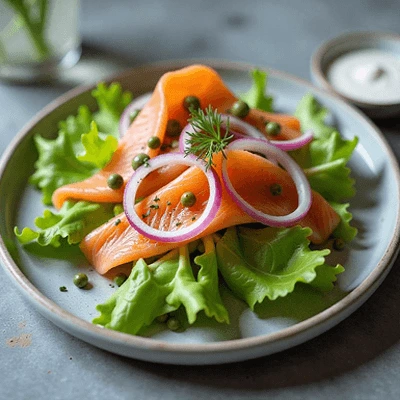
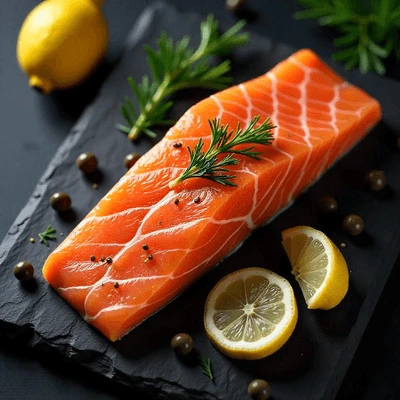
Smoked tuna is a fish that has been processed using wood chip smoke, giving it a distinctive smoky flavour and a firmer texture. Tuna is naturally a fattier fish, rich in omega-3 fatty acids, protein, and B vitamins. The smoking process deepens its flavour and adds pleasant aromatic notes. In the kitchen, smoked tuna works well in salads, spreads, sandwiches, and hot dishes. It pairs beautifully with capers, red onion, tomatoes, or avocado. It can also be served as part of cold starters or tapas platters. It is available in whole fillets as well as in canned form.

Smoked Turkey Meat
Smoked turkey meat is a heat-treated poultry product that has undergone a smoking process, most commonly using cold or hot smoke from hardwood. The result is a distinctive smoky flavour and aroma, a firmer texture, and a longer shelf life compared to fresh meat. Turkey is generally lean, low in fat, and high in protein, making it a popular choice for lighter and fitness-oriented diets. In the kitchen, it works great as a filling for sandwiches and wraps, and can be added to salads, pasta dishes, or baked meals. It pairs wonderfully with mustard, horseradish, pickles, and fresh vegetables.

Smuggler'so spice blend
Smuggler'so spice blend is a bold, spicy seasoning mix inspired by folk culinary tradition. It typically contains a combination of garlic, chilli, caraway, marjoram, pepper, and other spices that give it a characteristic robust flavor. It is used for marinating meat, seasoning goulash, roasted pork, or grilled dishes. The name evokes mystery and a free-spirited nature, making it a popular product at markets and in regional shops. The exact composition may vary by producer or region. It is ideal for lovers of strong and spicy flavors.

Soba noodles
Soba are traditional Japanese noodles made from buckwheat flour, sometimes blended with wheat flour. They have a distinctive grey-brown color and a nutty, slightly earthy flavor that sets them apart from regular wheat noodles. They are served both hot in soup and cold on a bamboo mat with tsuyu dipping sauce. In cooking, they are used in salads, stir-fry dishes, and noodle bowls. Soba noodles cook quickly, usually in just three to four minutes, and are often rinsed with cold water after cooking. One hundred percent buckwheat soba are naturally gluten-free.

Soda Water
Soda water is water artificially carbonated with carbon dioxide, traditionally produced in a siphon bottle. Unlike sparkling water, which can be naturally mineral (naturally carbonated spring water), soda water is a purely artificial product, it contains only water, CO₂ and possibly small amounts of mineral salts (sodium bicarbonate, sodium sulphate). It is an essential ingredient in bartending, used in cocktails, mixed drinks and spritzes. In cooking, it is added to pancake or fritter batters for a lighter texture. The siphon soda maker is a traditional fixture in Central European households.

Sodium Benzoate
Sodium benzoate (E211) is a preservative widely used in the food industry. It effectively inhibits the growth of moulds, yeasts and certain bacteria, thereby extending the shelf life of products. It occurs naturally in small amounts in some fruits, such as cranberries and blueberries. In food production it is added to soft drinks, jams, sauces, pickled products and dressings. When combined with ascorbic acid (vitamin C), it can form benzene under certain conditions, which is why its use is regulated. The maximum permitted level in the EU is set at 150-2000 mg/kg depending on the product type.

Soft Cheese
Soft cheese is a broad category of cheeses with high moisture content and a tender, creamy or spreadable consistency. This group includes varieties such as brie, camembert, ricotta, mascarpone, and fresh cheeses like cottage cheese. The flavor is typically mild and gently milky, sometimes with a slightly tangy or earthy note depending on the aging process. In the kitchen, soft cheeses are incredibly versatile, they work beautifully on bread, in salads, sauces, pasta dishes, baked casseroles, desserts, and on cheese boards. They are also an excellent source of protein and calcium, making them a nutritious and delicious addition to any meal.

Soft Curd Cheese
Soft curd cheese is a fresh dairy product with a smooth, creamy consistency and a mildly tangy flavor. It is made by curdling milk, resulting in a product lower in fat than full-fat varieties yet still rich in protein and calcium. In the kitchen, it is an indispensable ingredient particularly in sweet cooking, it works wonderfully in cheesecakes, pancakes, dumplings, creams, and desserts. It is also excellent in savory dishes as a base for spreads, pasta fillings, or savory pastry fillings. Its fresh taste and light texture make it a popular ingredient for both everyday cooking and festive meals.

Soft Drink
Soft drink is a general term for sweet, non-alcoholic beverages that are carbonated or still and flavoured with fruit, herbs, or other flavourings. In Czech, limonáda refers to any flavoured sweet drink, whether lemon, orange, raspberry, or other fruit varieties. In cooking, soft drinks can be used in batters, marinades for meat, as a base for cocktails, and in some desserts. The carbonation in fizzy soft drinks can help create a lighter batter texture. Homemade versions made from fresh fruit juice and sparkling water are far more natural and can be easily tailored to personal taste and occasion.

Soft Salami
Soft salami is a type of cured meat product with a tender, spreadable or easily sliceable consistency. Unlike dry-cured salamis, it is not heavily fermented or dried, which keeps its moisture content higher and gives it a fresh, mild flavor. It is most commonly made from pork, beef, or a combination of ground meats, seasoned with salt, spices, and other ingredients. In the kitchen, it is primarily used in cold preparations such as charcuterie boards, sandwiches, and open-faced rolls, but it also works well in warm dishes like pizza, pasta bakes, and stuffed pancakes. Its mild taste makes it easy to pair with cheeses, vegetables, and a variety of sauces.

Sorbitol
Sorbitol is a natural sugar alcohol that occurs naturally in some fruits, such as pears, apples, and plums. In the food industry, it is used as a sugar substitute with a lower glycaemic index than regular sugar, making it popular in diabetic diets. It has approximately 60% of the sweetness of sucrose and is added to confectionery, chewing gum, diet products, and baked goods. It also acts as a humectant, helping to keep food moist and soft. Excessive consumption may have laxative effects. On food packaging, it is listed under the code E420.

Sorghum Flour
Sorghum flour is milled from the sorghum grain (Sorghum bicolor) and is naturally gluten-free. It has a mildly sweet, slightly earthy flavour and a light beige colour. It is used in baking bread, biscuits, pancakes and other baked goods as a substitute for wheat flour, ideally combined with other gluten-free flours to improve dough binding. It is rich in fibre, iron and antioxidants. In Africa and Asia, sorghum is a staple food, and its flour is also used to make traditional porridges and beers.