- Ingredients
- Letter B
Ingredients from A to Z
The ingredient overview shows you which recipes use a given product. From everyday home cooking basics to less common additions from world cuisines, each entry comes with the dishes it suits.
Browse ingredients alphabetically, or search for a specific one straight away. It comes in handy when you want to use up what you have at home, or when you are curious how a new ingredient is used in cooking.

Beetroot
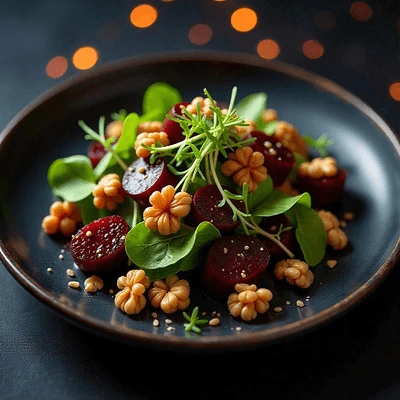
Řepa je kořenová zelenina s výraznou tmavě červenou až purpurovou barvou, patřící do druhu Beta vulgaris. Nabízí sladkou, zemitou chuť a je oblíbená po celé Evropě. Lze ji konzumovat vařenou, pečenou, syrovou a nastrouhanou, nebo nakládanou v octě. Skvěle se hodí do salátů, polévek (například ruského boršče), smoothies, příloh a dokonce i dezertů. Přirozeně barví pokrmy na živou červenofialovou barvu. Řepa je bohatým zdrojem folátu, draslíku, manganu a přírodních nitrátů, které mohou mít pozitivní vliv na krevní tlak a sportovní výkon.

Bell pepper
Paprika je jednou z nejpoužívanějších zelenin v domácích i profesionálních kuchyních po celém světě. Plody Capsicum annuum mají tři hlavní barvy: zelenou, červenou a žlutou, a liší se chutí a nutričním obsahem. Červené papriky jsou nejsladší a nejbohatší na vitamin C a beta-karoten. Lze je jíst syrové jako svačinu nebo v salátech, a jsou také skvělé na grilování, plnění, dušení nebo pečení. Jsou klíčovou ingrediencí v mnoha světových kuchyních a dobře se kombinují s masem, sýrem a luštěninami. Mají nízký obsah kalorií a vysoký obsah antioxidantů.

Bénédictine liqueur
Bénédictine is a French herbal liqueur produced since the 19th century in Normandy from a secret recipe of 27 herbs and spices. It has a golden colour, a slightly thick texture, and a complex honeyed-herbal, mildly spiced flavour with notes of honey, saffron, and citrus. the alcohol content is around 40% ABV. It is sipped as a digestif, features in cocktails such as the Vieux Carré and Singapore Sling, and is used in confectionery and sauces. Store in the dark at room temperature.

Benzoic acid
Benzoic acid is an organic acid naturally found in certain fruits, particularly cranberries, blueberries, and plums. In the food industry, it is used as a preservative (E210) that inhibits the growth of molds, yeasts, and bacteria. It is commonly added to acidic foods and beverages such as fruit juices, jams, vinegars, dressings, and soft drinks. When used in appropriate amounts, it is considered a safe food additive, although under certain conditions it can react with vitamin C to form benzene. As a standalone ingredient, its use in home cooking is very limited.

Bicerin Liqueur
Bicerin is a traditional Italian liqueur originating from Turin, its name referring to the famous warm drink made of coffee, chocolate and cream. The liqueur combines intense cocoa and coffee notes with gentle sweetness and a smooth consistency. It is enjoyed as a digestif but also used as an ingredient in desserts, coffee drinks, cocktails and ice cream. It pairs beautifully with chocolate cakes, tiramisu and panna cotta. Thanks to its pronounced cocoa-coffee profile, it complements whipped cream and vanilla-based desserts particularly well.

Biscuits
Biscuits are small baked goods most commonly made from flour, fat, sugar and various additions such as chocolate, nuts, raisins or coconut. They are crisp, lightly sweet and ideal as a snack, dessert or base for no-bake cakes. In the kitchen, crushed biscuits are used as a base for no-bake cheesecakes, truffles or as crumb toppings for cakes and desserts. They pair well with tea, coffee or warm milk. They come in countless varieties, butter, oat, chocolate, lemon and even savoury. Commercially produced biscuits are among the most popular sweet treats worldwide.

Black beans
Černé fazole jsou malé luštěniny s lesklou černou slupkou a krémově bílým vnitřkem. Mají mírně sladkou, lehce ořechovou chuť a po uvaření si zachovávají příjemně pevnou strukturu. Jsou základní surovinou v mexické, brazilské a karibské kuchyni, používají se v burritech, enchiladas, chilli con carne, polévkách a rýžových pokrmech. Skvěle se hodí také do salátů a veganských burgerů. Sušené černé fazole je třeba před vařením namočit a příprava trvá asi hodinu. Černé fazole jsou vynikajícím zdrojem rostlinných bílkovin, dietní vlákniny, železa, hořčíku a kyseliny listové.

Black cardamom

Black olives
Black olives are the fully ripe fruits of the European olive tree, their dark color resulting from complete ripeness at harvest. Compared to green olives, they have a milder, less bitter flavor and a higher fat content. They are rich in monounsaturated fatty acids, vitamin E, and antioxidants. In the kitchen, they are used as part of antipasti, in salads, on pizza, or mixed into pasta dishes. They are also excellent in tapas, marinated in oil with herbs, or stuffed with peppers or anchovies. They are a staple of Mediterranean cuisine and pair beautifully with cheese, bread, and red wine.

Black Pepper
Black pepper is one of the most widely used spices in the world. It comes from the tropical plant Piper nigrum and is made by drying unripe berries, which creates the characteristic wrinkled black skin. It has a bold, pungent and aromatic flavour with woody undertones. In the kitchen, it is used in virtually everything, soups, sauces, marinades, meat, pasta and salads. It can be used whole, cracked or ground. Freshly ground pepper has a significantly more intense aroma than pre-ground. It contains piperine, which gives it its heat and also helps the body absorb nutrients more effectively.

Black pudding
Black pudding is a traditional blood sausage made from pork blood, cooked meat, barley or rice and spices. It is a characteristic product of traditional home pig slaughters and has a distinctive dark to black colour. The flavour is bold, mildly spiced and slightly sweet thanks to the grain base and seasonings such as marjoram and pepper. It is most commonly served warm, heated in a pan or grilled, accompanied by sauerkraut and bread. In Czech and Slovak cuisine it is an essential part of the traditional pig slaughter feast, alongside white pudding and offal soup.

Black Pudding Mixture
Black pudding mixture is a meat-based filling used to make homemade blood sausages. It is typically made from cooked pork, blood, lard, and spices such as marjoram, pepper, garlic, and allspice. The resulting mixture has a dark colour and a bold, savoury flavour. It is used as a stuffing for sausage casings, but can also be served as a spread or pan-fried as a standalone dish. This mixture is a staple of traditional pig-slaughter cuisine and is served with cabbage, bread, or potatoes. The right blend of spices and ingredients is the key to its characteristic taste.