- Articles
- Inspiration and Season
- Inspiration for seasonal salads all year round
Inspiration for seasonal salads all year round

Salad as a Year-Round Star of the Kitchen
Just a few years ago, salad was mainly seen as a light side dish or a "diet" meal without much flavor. Today, however, it increasingly takes center stage. Thanks to thoughtful combinations of ingredients, both warm and cold variations, and different types of dressings, it becomes a full-fledged meal that can satisfy hunger and delight the taste buds.
The key to making salad work all year round is seasonality. Each season offers different flavors, textures, and preparation possibilities. When we adapt to them, salads never become boring and naturally fit into everyday cooking.
Spring Salads: Freshness, Lightness, and Awakening of Flavors
Spring is a symbol of new beginnings, and this applies in the kitchen as well. After a winter full of hearty meals, there is a craving for lighter, fresh, and crunchy combinations. The basis of spring salads is young salad leaves, lamb's lettuce, arugula, or baby spinach. These are complemented by delicate vegetables such as radishes, spring onions, young carrots, or kohlrabi.
A typical feature of spring salads is simplicity. They often rely on just a few ingredients and a light dressing based on lemon, vinegar, or yogurt. Eggs fit perfectly in them, whether boiled, poached, or as part of a creamy dressing. Salads with asparagus, young potatoes, or green peas are also popular, adding a gentle sweetness and light heartiness.
Spring salad is an ideal choice for a light lunch, dinner, or as a fresh accompaniment to grilled meat or fish.


Pasta Salad

Tunisian grilled vegetable salad mechouia
Summer Salads: Juicy, Colorful, and Refreshing
Summer is the season when salads truly shine. Fresh vegetables and fruits are available in full flavor, and salad often becomes the main meal of the day. Tomatoes, cucumbers, peppers, zucchinis, corn, as well as strawberries, melons, or peaches form the basis of light summer combinations.
Summer salads excel in contrasts, sweet and salty, crunchy and juicy, cold and lightly grilled. Combinations of fruit with cheeses like feta, mozzarella, or burrata work wonderfully. Salads with grilled chicken, fish, shrimp, or halloumi, which provide the necessary proteins, are also popular.
Dressings are usually simple, often just olive oil, lemon, or balsamic vinegar. This allows the natural flavor of the ingredients to shine and keeps the salad light even on hot days.


Caprese Salad With Tomatoes and Mozzarella

Shopska Salad With Balkan Cheese
Autumn Salads: Hearty, Deep Flavors and Warm Tones
With the arrival of autumn, not only the weather changes, but also the tastes. Salads become heartier and richer, often complemented by roasted or warm ingredients. Typical autumn ingredients include pumpkin, beetroot, sweet potatoes, potatoes, kale, apples, and pears.
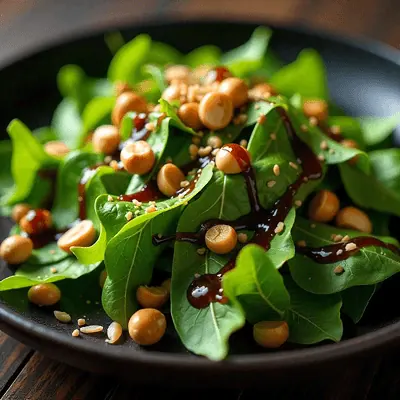
Autumn salads often combine leafy greens with roasted vegetables, nuts, seeds, and stronger cheeses such as goat cheese or blue cheese. This gives them a full flavor and makes them filling even without meat. Legumes or grains, such as lentils, chickpeas, or bulgur, also fit perfectly into them.
Warm salads are very popular, where some of the ingredients are served still lukewarm. It is precisely the contrast of warm and cold components that makes autumn salads a comforting meal, ideal for cooler days.


Chickpea Salad with Lemon

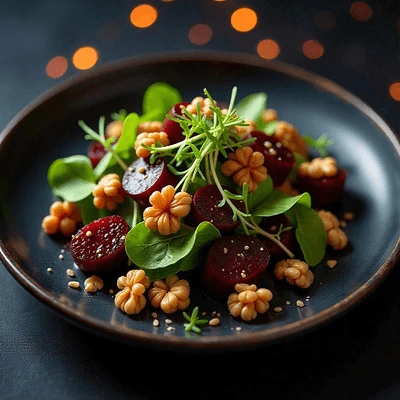
Lentil Salad with Roasted Beets
Winter Salads: Nutritious, Surprising, and Full of Contrasts
Winter is often considered the weakest season for salads, but the opposite is true. Even winter ingredients offer plenty of possibilities, you just need a bit of creativity. The basis includes root vegetables, various types of cabbage, kale, beetroot, or chicory.
Winter salads often rely on contrasts of flavors and textures. The sweetness of roasted vegetables or fruit beautifully balances sour and bitter notes. Citrus fruits, pomegranate, or apples add freshness and color. Legumes are also included, enriching the salad with protein and making it a complete meal.
Dressings tend to be thicker, yogurt-based, mustard, or honey, and pair perfectly with winter flavors. Thus, a winter salad is not just a side dish but a hearty and nutritious meal that warms and satisfies.


Warm Potato Salad

Russian Vinegret Salad with Beetroot, Potatoes and Pickled Cucumbers
Why Follow Seasonality Throughout the Year
Cooking with seasonal ingredients brings several advantages. Not only are the ingredients tastier and more affordable, but they also naturally correspond to the body's needs during the given period. The lightness of spring, the refreshment of summer, the heartiness of autumn, and the nourishment of winter are all naturally reflected in salads.
Thanks to seasonality, salads never become boring. Each season brings new flavors, colors, and inspiration, allowing salads to become a regular part of the diet, all year round.

Homemade Dressings and Vinaigrettes Made Easy, Tips for Tasty Salads