- Articles
- Inspiration and Season
- Seasonal calendar of fruits and vegetables, what to buy when
Seasonal calendar of fruits and vegetables, what to buy when

Why eat seasonally?
Seasonal fruits and vegetables are full of flavor, vitamins, and minerals. When you shop according to the season, you support local farmers and at the same time reduce the ecological footprint of food imports. Additionally, fresh produce lasts longer and is more affordable.
Spring Freshness, Vitamins After Winter
Spring is the time when, after a long winter, the body looks forward to lighter and fresher meals that can provide energy and vitamins needed to kickstart metabolism and restore strength. After the gray months, the body eagerly awaits the fresh taste of the first green leaves and gently sweet fruit.
- Vegetables: asparagus, young spinach, radishes, spring onions
- Fruits: strawberries (late spring), early apples, cherries
Tip: From young spinach and radishes, you can prepare great salads with a light yogurt dressing.

Summer Boom, Full Flavor and Colors
Summer is a season of abundance, when markets and gardens burst under the pressure of colorful fruits that are full of juice, vitamins, and natural sweetness. This is the time for light dishes, refreshing salads, and grilled specialties, where the taste of vegetables and fruits comes to the forefront and does not require unnecessary seasoning.
- Vegetables: tomatoes, cucumbers, zucchinis, peppers, eggplants
- Fruits: raspberries, blueberries, peaches, apricots, cherries
Tip: Try a summer grilled vegetable platter with fresh herbs, the flavor is intense and you don’t need much seasoning.


Grilled Vegetables with Herb Oil

Caprese Salad With Tomatoes and Mozzarella
Autumn Harvest, Sweet and Spicy
Autumn brings the harvest season, a time to make use of what has been grown all summer and prepare dishes that warm both body and soul. The colors of gardens and orchards turn golden and orange, the aroma of spiced fruits and vegetables fills the kitchen, and prepares us for the cooler months.
- Vegetables: pumpkins, carrots, celery, cabbage, beetroot
- Fruits: pears, apples, plums, grapes
Tip: Roasted pumpkin or apple pie with cloves will give your autumn the perfect atmosphere.


Apple Oat Cake

Apple Strudel with Hand-Pulled Pastry
Winter Resilience, Vitamins for the Cold Months
Winter is a time when natural light decreases and the body needs an extra dose of vitamins and minerals to stay healthy and resilient. Although the availability of fruits and vegetables is more limited, there are varieties that last, are tasty and nutritious, and allow you to prepare nourishing meals without having to rely on imports from distant countries.
- Vegetables: kale, Brussels sprouts, leek, carrot, celery
- Fruits: apples, citrus fruits (oranges, mandarins, lemons)
Tip: Try making healthy soups or salads from kale and carrots that provide the body with the necessary vitamins.


Creamy carrot and ginger soup

Creamy leek and potato soup
Practical Tip, Plan According to the Calendar
Creating a seasonal shopping plan will save you money and stress. Try to set aside a day of the week to buy fresh fruits and vegetables according to the season, while also planning recipes that use these ingredients.
In Conclusion
Eating seasonally means eating tasty, healthy, and economically. Watch what is currently growing, experiment with recipes, and discover new flavor combinations every month.


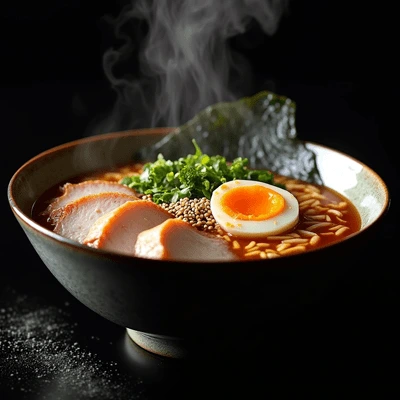
Healthy soups that satisfy, a nutritious classic that warms both body and soul.