- Articles
- Healthy Cooking
- Healthy Fats vs. Unhealthy Fats, How to Understand and Not Be Afraid to Use Them in the Kitchen
Healthy Fats vs. Unhealthy Fats, How to Understand and Not Be Afraid to Use Them in the Kitchen

Fats Are Not the Enemy. They Are the Foundation of Flavor, Satiety, and Nutrition
Without fats, food would lose not only flavor but also its function. Fats carry aroma, ensure fullness of taste, and significantly affect the texture of dishes. Thanks to them, food is creamy, juicy, and satisfying. From a nutritional perspective, fats are essential for the absorption of fat-soluble vitamins (A, D, E, K) and play an important role in hormonal balance.
The problem does not arise from the consumption of fats themselves, but from their excess or poor quality. If we completely eliminate fats from the diet, we often reach for sugars or industrially processed substitutes. The result is short-term satiety, quick hunger, and poorer taste of meals.
Healthy Fats: A Natural Choice for the Modern Kitchen
Healthy fats are primarily unsaturated fatty acids, which have a positive effect on the heart, blood vessels, and brain. In the kitchen, they also offer a wide range of flavors and uses, from mild to strongly aromatic.
The most well-known sources of healthy fats include:
- extra virgin olive oil, a staple of Mediterranean cuisine,
- avocado, rich in monounsaturated fats,
- nuts and seeds, which provide fats and minerals,
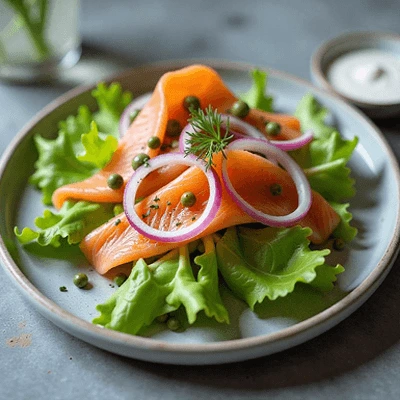
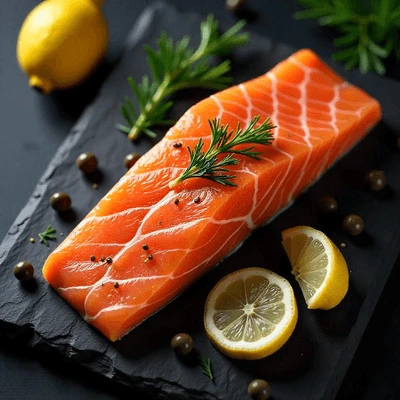
- fatty sea fish, a source of omega-3 fatty acids.

These fats benefit not only health but also taste. Just a small amount of quality oil or a handful of nuts can give even a simple salad or pasta a fuller flavor profile.


Limiting Industrially Processed Foods as a Step Towards Healthier Eating
Unhealthy Fats: The Unseen Culprits of Everyday Diet
Unhealthy fats are not always visible at first glance. The biggest problem is trans fatty acids and overly processed vegetable fats, which are produced during the industrial manufacturing of foods. These fats have a long shelf life and low cost, but minimal nutritional value.
They typically appear in:
- packaged cookies and wafers,
- cheap pastries,
- fried ready-made meals,
- instant foods and ready-made sauces.

In home cooking, we encounter them less, but that's why it's important to read food labels. Terms like “partially hydrogenated fat” or “vegetable fat” without specification are warning signs.
Saturated Fats: Traditional Ingredients That Need Balance
Saturated fats have long had a bad reputation, but they cannot simply be labeled as harmful. These include butter, lard, or coconut oil, ingredients used in the kitchen for generations.
Their advantages are:
- stability at higher temperatures,
- distinctive flavor,
- good technological properties for baking and frying.
The disadvantage is that in larger quantities, they can burden the body. The solution is not to completely eliminate them, but to sensibly alternate with unsaturated fats. Butter in a sauce or coconut oil in a dessert has its place if they are not the daily basis of the diet.
How to Use Fats Correctly in Cooking and Baking
Each fat behaves differently during heat treatment. If we choose the wrong fat, it can lead not only to a loss of flavor but also to the formation of undesirable substances. Therefore, it's good to know the basic rules.
- Cold cuisine: cold-pressed oils like olive, flaxseed, or pumpkin
- Light sautéing: olive oil, clarified butter
- Higher temperatures: canola oil, lard
- Baking and desserts: butter, coconut oil
The right choice of fat often determines the final taste of the entire recipe. Fat should support the dish, not overpower it.

Fats in Recipes: Why Less Means More
Many people try to limit or replace fats in recipes. The result is often dry, flavorless dishes that do not satisfy. Yet, often just a small amount of quality fat is enough for a dish to be flavorfully balanced.
A tablespoon of good oil, a piece of butter, or a handful of nuts can:
- enhance the flavor of ingredients,
- prolong the feeling of fullness,
- improve the texture of the food.
In recipes, it's better to work with quality rather than quantity.

Healthy Versions of Favorite Fast Food Meals That Taste Just as Good, Only Much Lighter
Summary: Simple Rules That Work
Fats are not the enemy of healthy cooking. The key is choosing natural ingredients, limiting industrially processed foods, and moderation. If you rely on quality oils, butter, and fats in reasonable amounts in the kitchen, there's no reason to fear them.