- Articles
- Healthy Cooking
- Limiting Industrially Processed Foods as a Step Towards Healthier Eating
Limiting Industrially Processed Foods as a Step Towards Healthier Eating

Comfort That Comes at a Price
Modern eating is largely based on speed. Ready meals, instant mixes, or semi-finished products promise time savings and minimal effort. In the short term, they work great, just open the package, heat, and eat. However, this convenience comes at a cost.
Industrially processed foods are often designed to taste as intense as possible and be highly addictive. The combination of salt, sugar, fat, and flavorings can overpower the natural taste of the ingredients. The result is food that fills you up but often does not bring a true sense of satisfaction or long-lasting energy.
Moreover, cooking as such gradually disappears from the kitchen. Instead of working with raw ingredients, it becomes just assembling ready-made components.
What Exactly Are Industrially Processed Foods
The term "industrially processed" may sound intimidating, but it doesn't have to be seen in black and white. It's not about rejecting everything that has gone through production. The difference lies between basic processing and highly industrial processing.
While frozen vegetables, canned legumes, or quality yogurt have their place in the kitchen, problems arise with foods that contain:
- a long list of ingredients
- additives with unclear purposes
- a high content of sugar, salt, or low-quality fats
A typical sign is that such food would be difficult to prepare at home from ingredients you usually have in your pantry. The more "chemicals" and the fewer real ingredients, the more it makes sense to limit such food.
Impact on Health and Daily Energy
Regular consumption of highly processed foods can manifest subtly. Fatigue after eating, cravings for sweets, fluctuations in energy throughout the day, or a feeling of heaviness are not uncommon. Food is supposed to work exactly the opposite, to provide strength, stability, and a feeling of fullness.
When the diet is mainly based on simple ingredients, the body receives what it can process naturally. Fiber, quality fats, and proteins support digestion and long-lasting satiety. The result is not only a "healthier diet" but also a better relationship with food without constant overeating or guilt.
Why It Makes Sense from a Culinary Perspective
Limiting industrial foods is not just a matter of health, but also of taste. Once you get used to artificially enhanced flavors, you start to perceive the differences between ingredients again. Tomatoes taste different from sauce from a packet. Butter tastes different from margarine. Homemade broth tastes different from a bouillon cube.
Cooking from basic ingredients gives you greater control over the outcome. You can customize your food according to the season, mood, and availability of ingredients. At the same time, you will find that many "essential" products are actually unnecessary, just a few good basics are enough, and the flavor will come on its own.

How to Start Without Radical Changes
The biggest mistake when trying to eat better is attempting to change everything at once. Small, realistic steps that can be easily incorporated into your daily routine work much better. You don’t have to eliminate all processed foods overnight, just gradually replace them where it makes the most sense.
Homemade Dressings Instead of Store-Bought
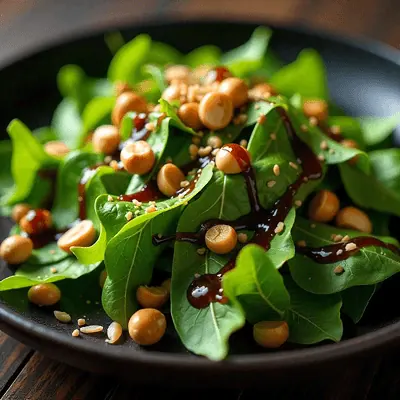
Ready-made dressings often contain sugar, thickeners, and flavorings that don’t really belong in home cooking. Yet you can prepare a basic dressing in just a few seconds. Oil, vinegar or lemon juice, a bit of mustard, and salt create a well-balanced base that can be easily varied depending on the salad and your mood.
Simple Sauces from Tomatoes, Garlic, and Oil
Instead of ready-made sauces from a packet or jar, just a few basic ingredients are enough. Tomatoes, garlic, olive oil, and herbs create a versatile base for pasta, vegetables, and meat. The advantage is not only the clean ingredients but also the ability to season your food exactly to your liking, mild, spicy, or bold.


Healthy Versions of Favorite Fast Food Meals That Taste Just as Good, Only Much Lighter
Cooking Larger Quantities of Food for Storage
A common reason why we reach for convenience foods is a lack of time. However, if you cook a larger portion of your favorite meal and store part of it in the fridge or freezer, you’ve won. Homemade food can then be just as quick as ready-made, only without compromises in the ingredients.
Reading Ingredients and Comparing Options
You don’t have to become an expert on labels. You just need to really look at the ingredients. The shorter and clearer the list of ingredients, the better it usually is. Gradually, you’ll start noticing differences between products, and healthier choices will become an automatic part of your shopping.
Over time, these small changes will become a natural habit that won’t require any extra effort. Cooking will become simpler, the taste of meals will improve, and limiting industrially processed foods will stop being a goal, it will become a matter of course.

Healthier Eating as a Natural Process
Reducing industrially processed foods is neither a diet nor a short-term trend. It is more of a return to normal cooking, as it was common just a few decades ago. It’s not about perfection, but about balance.
If simple, honest ingredients form the basis of your diet, an occasional ready meal or sweet treat is not a problem. The important thing is that quick fixes are not the rule, but the exception. The rest will come naturally, the desire to cook, the desire to eat, and the desire to return to the kitchen.

How to correctly read food labels and understand what we are really eating