- Articles
- Culinary Basics
- How to Choose and Prepare Different Types of Rice, A Clear Guide
How to Choose and Prepare Different Types of Rice, A Clear Guide


Classification of Rice by Grain Shape
Long-Grain Rice: Fluffy and Light
Long-grain rice has separate grains after cooking and does not feel heavy. It is ideal as a side dish or the base of meals where the rice should complement other flavors, not overpower them.
Basmati Rice
Very aromatic, naturally fluffy, and slightly nutty. Perfect for Indian dishes, legumes, curry, or simply with a bit of butter and salt.
Jasmine Rice
Fragrant, softer, and slightly sticky. Typical for Thai and Asian cuisine, ideal for curry and spicy sauces.
Parboiled Rice
Rice steamed before husking. Because of this, it does not overcook, remains fluffy, and forgives minor cooking mistakes. A practical choice for everyday cooking.
Medium-grain and round-grain rice: creamy consistency
These types of rice contain more starch, which is released during cooking. This is what creates the creamy texture typical for risottos, casseroles, or rice desserts.
Arborio
Classic Italian rice for risotto. The grains absorb liquid well and release starch, which creates a creamy consistency.
Carnaroli
Often considered the best rice for authentic Italian risotto. It holds its shape better than Arborio and can withstand slightly longer cooking.
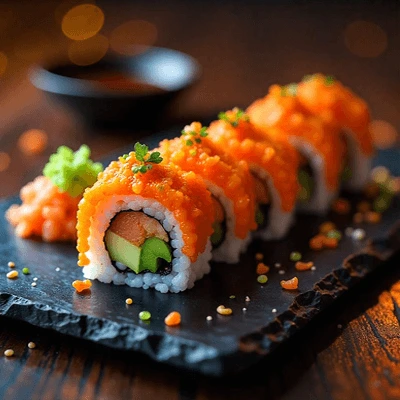
Sushi rice
Very short-grain and sticky rice, essential for making sushi. It is also used in Japanese bowls and rice dumplings.


Colored and Special Rice: When Rice Plays the Leading Role
These types of rice stand out with a more pronounced flavor, texture, and appearance. They are often used where rice is not just a side dish but part of the meal's very concept.
Natural (brown) rice
Unhulled rice with the bran layer, richer in fiber and minerals. It has a slightly nutty flavor and requires a longer cooking time.
Black rice
Highly nutritious, containing a high amount of antioxidants. It has a mildly sweet taste and a distinctive dark color.
Red rice
Whole grain rice with a firmer texture and a pronounced nutty flavor. Suitable for salads and hot dishes.
Wild rice
Technically not rice but seeds of aquatic grass. It is firm, aromatic, and often combined with regular rice for a more interesting texture.

Classification of Rice by Preparation Method
White Rice
Hulled rice, the most common and quickest to prepare. It has a mild flavor and wide use in the kitchen.
Natural / Whole Grain Rice
Unhulled rice with the bran layer. It contains more fiber, has a fuller flavor, but requires longer cooking and sometimes soaking.
Parboiled Rice
Rice intended for quick preparation. Nutritionally poorer, but practical when there is no time to cook in the traditional way.

How to Cook Rice Properly
There is no single universal method that works for all types of rice. Each behaves a little differently and deserves its own approach. Some types should be rinsed before cooking to remove excess starch and remain fluffy, while others are not rinsed at all, typically rice intended for risotto, where the starch is key to the right consistency.
There are also differences in the amount of water and cooking time. Long-grain rice usually requires less liquid and a shorter time, while whole grain and colored varieties need more water and greater patience. It is always worth following the specific type of rice rather than one general rule.

The common denominator of a good result is slow cooking and calmness. Rice does not benefit from rapid boiling or frequent stirring. After cooking, it is ideal to let it rest for a few minutes under the lid so that the moisture is evenly absorbed and the grains "finish cooking."
This short rest often determines whether the rice will be dry and uneven, or on the contrary, beautifully tender and tasty even without additional seasoning.


Rice as the Foundation of Good Cooking
Once you learn to choose rice according to the dish you are cooking, your entire approach to cooking will change. Rice will stop being "something for the sauce" and will become a thoughtful foundation of the meal, carrying the flavor and texture of the entire dish.

Korean cuisine: kimchi, bibimbap, bulgogi, and other flavors you will love