- Articles
- Advice and Tips
- Using Kitchen Scraps in Practice: Zero Waste Cooking That Saves Money and Ingredients
Using Kitchen Scraps in Practice: Zero Waste Cooking That Saves Money and Ingredients

When leftovers are not waste, but the base of a new dish
Many ingredients that are often considered waste can be surprisingly easily used in the kitchen. A typical example is vegetable scraps. Carrot ends, celery leaves, tops, or onion skins are perfect for homemade broth. Just continuously store them in a container in the freezer and when you have collected enough, prepare a strong base for soups, sauces, or risotto.
Similarly, tougher parts of herbs work the same way. Parsley, coriander, or basil stems contain a strong flavor and can be used in the preparation of pesto, marinades, or homemade flavored oils. Often, there is no need to buy additional ingredients because the flavor is already in the kitchen.
The zero waste approach also leads to greater creativity. Instead of strictly following recipes, one learns to work with what they have at home. And that is often where the greatest magic of home cooking lies.
Older bread doesn't have to end up in the trash
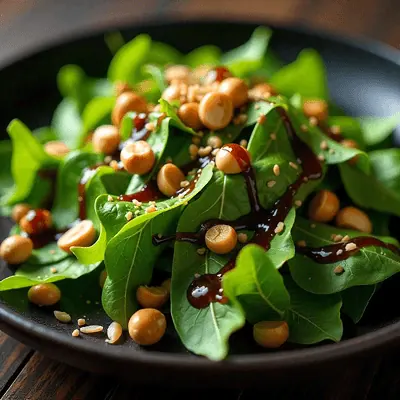
Bread is among the most frequently discarded foods. Yet there are many ways to reuse it. Stale bread can easily be turned into homemade croutons for soup or salad. Just cut it, drizzle with oil, add herbs, and briefly toast in the oven.
Older rolls or buns are great for homemade dumplings, casseroles, or bread pudding. Ground bread can also be used as homemade breadcrumbs without unnecessary additives.
Toasts or baked breads are also very popular solutions. The combination of bread, vegetables, and cheese can create a quick dinner without the need for additional shopping. Often, the simplest leftovers make the tastiest meals.


Effective meal planning for the entire month. A practical guide that will save you time, money, and stress
Overripe Fruit as a Base for Desserts and Breakfasts
Bananas with dark skins or softer strawberries don’t have to be a problem. On the contrary – overripe fruit is often sweeter and more flavorful, which is useful for baking and making smoothies.
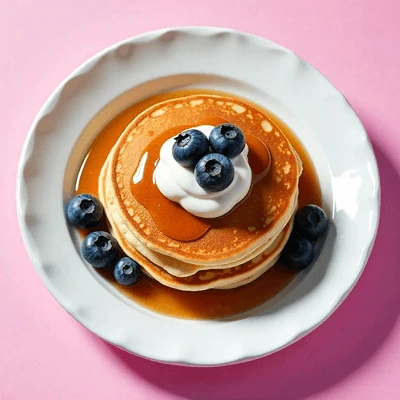
Bananas can be used in pancakes, homemade banana bread, or frozen for creamy smoothies. Softer apples are great for crumble desserts, porridges, or homemade purees. Citrus peels can be used in baking or to flavor homemade syrups.
A big advantage is also the possibility to freeze the fruit. If it’s clear that it won’t be consumed fresh in time, it can later be used in cocktails, desserts, or homemade ice cream.


Peels, stems, and leaves often have more flavor than the vegetables themselves
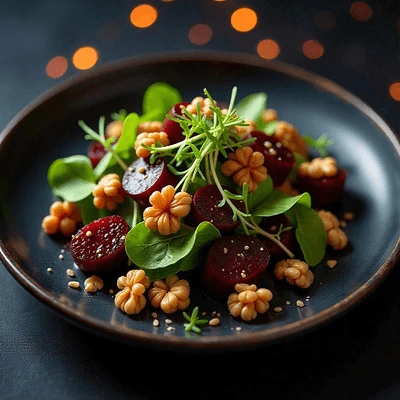
Modern gastronomy increasingly works with parts of vegetables that were previously automatically discarded. Carrot tops are great for pesto, kohlrabi leaves can be added to soup, and potato peels can serve as a crispy snack after baking.
Chips made from various peels are also very popular. Just mix them with oil and spices and bake until golden. The result is a simple snack that helps make the most of the purchased ingredients.
Of course, it is important to pay attention to quality and freshness. The best practice is to use peels and stems from well-washed vegetables, ideally from local or home sources.

Better planning means less waste
Zero waste cooking is not just about using leftovers, but also about prevention. Planning shopping and proper food storage play a big role. Often, it’s not that the ingredients are unusable, but simply that they are forgotten in the fridge.
A simple weekly meal plan or checking supplies before each shopping trip can help. It is also practical to store food in transparent containers, which immediately show what needs to be used first.
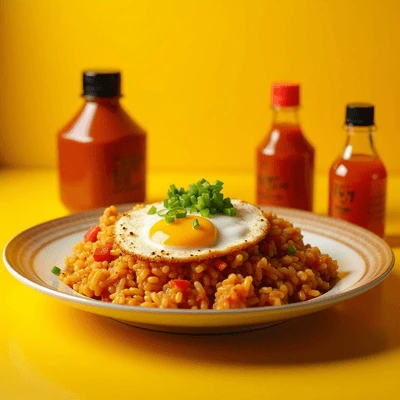
Leftovers from dinner can easily be turned into lunch for the next day. Roasted vegetables are great for tortillas, rice for fried rice or salad, and cooked meat for spreads or sandwiches. This way, the kitchen works more efficiently and without unnecessary waste.

Zero waste cooking is not a limitation, but a new perspective on the kitchen
Many people imagine zero waste as complicated cooking or constantly watching every piece of food. In reality, it is more about a change in thinking. Once a person starts to perceive ingredients more comprehensively, they often find that a large part of the waste was created merely out of habit.
Using leftovers can bring not only savings but also greater joy in cooking. The kitchen becomes a more creative place where new dishes are created from common ingredients. And this is one of the reasons why the zero waste approach is gaining more and more supporters, even among people who previously did not pay much attention to ecology.