- Articles
- Homemade Production
- Homemade Jams and Preserves Without Chemicals
Homemade Jams and Preserves Without Chemicals

Homemade Jam as a Return to Honesty
In a time when more and more people are interested in what they eat, homemade jams and preserves are experiencing a renaissance. It's no wonder. Just look at the labels of common products in stores, thickeners, flavors, colorings, stabilizers. Fruit is often secondary.
Homemade jam without chemicals is the exact opposite. It is made from fresh or frozen fruit, a bit of sugar (or another sweetener), and time. No unnecessary additives, no compromises. The taste is full, natural, and every jar is unique.
Jam vs. Preserve: Do You Know the Difference?
Although we commonly interchange these words, there is a difference. According to the original definition, jam should be made from citrus fruits, while preserves are made from other fruits. In common home practice, these terms overlap, and more important than the name is the composition and method of preparation.
Whether you call your product jam or preserve, the key is that you know what it contains, and that there's nothing extra.

Why Avoid Chemicals in Jams
Chemical preservatives and artificial flavorings have one goal: to extend shelf life and unify taste. Homemade jams without chemicals, on the other hand, rely on the natural properties of fruit. Pectin, which is naturally found in fruit, can ensure the ideal consistency without industrial mixtures when done correctly.
The result is not only a healthier product but also a taste that changes according to the season, fruit ripeness, and variety used. And that's the beauty of homemade production.
How to Cook Jam Without Unnecessary Additives
The foundation is quality fruit. The riper and more aromatic, the less sugar you'll need. Many people fear that without “gelling agents,” the jam won't set, but the opposite is true. Just:
- briefly cook the fruit to preserve its flavor,
- add lemon juice to support gelling,
- cook in smaller quantities, ideally in a wide pot.
Patience and the right process replace chemicals better than any store-bought powder.


Homemade Jams as Part of a Healthy Lifestyle
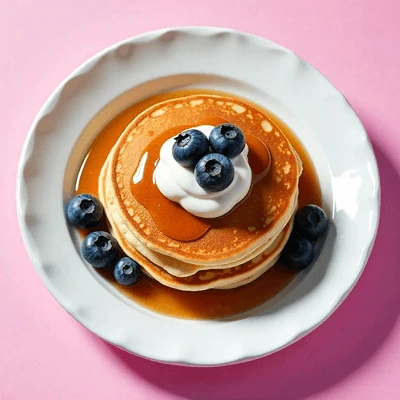
Jam without chemicals is not just a sweet spread on bread. It fits into yogurt, on pancakes, in desserts, or as a base for fruit sauces. Thanks to its simple composition, it's suitable for children or people watching their diet.
Moreover, homemade production has another bonus, joy. Joy from creating, from filled jars, and from knowing you've made something of your own.

A Taste with a Story
Every homemade jam has its story. Maybe it was made from garden fruit, maybe from strawberries picked over the weekend, or from excess that would otherwise go to waste. These small details make an ordinary jam an exceptional product.
And when you open it in winter, you'll feel the summer in it. Without chemicals, without pretense, just the pure taste of fruit.

Homemade Lemonades and Refreshing Seasonal Drinks: Inspiration for Every Occasion