- Articles
- Travel and World Cuisines
- Polish cuisine: from pierogi to bigos – flavors that belong to tradition
Polish cuisine: from pierogi to bigos – flavors that belong to tradition

Kitchen Rooted in History and Everyday Life
Polish gastronomy developed over centuries in an environment where the availability of ingredients and the ability to preserve them for long winters played a crucial role. That is why techniques such as pickling, smoking, and fermenting became widespread, which still form the basis of many recipes today.
The rural cuisine had a significant influence, relying on potatoes, cabbage, rye, and pork. At the same time, it reflected the influences of noble kitchens, which brought richer combinations of spices, meat, and sauces. As a result, a style emerged that is hearty yet flavorfully balanced.

Ingredients That Define the Character of Polish Dishes
The foundation consists of several key ingredients that appear across regions and generations. Potatoes are one of the most important components and are used in soups, doughs, and side dishes.
Sauerkraut plays a very prominent role, giving dishes a typical sourness and depth. It is often combined with meat or legumes. Another important ingredient is rye flour, which is used, for example, to prepare traditional sourdough for soups.
Meat, especially pork, appears in many forms – from roasted pieces to smoked meats. The spices are rather mild but purposeful. Marjoram, garlic, caraway, and dill are among the most common choices.
Soups that Replace the Main Course and Part of Traditional Meals
In Polish cuisine, soups hold a special place and often replace an entire meal. They are not just the introduction to the menu, but a full-fledged part of everyday dining.
One of the most typical is żurek, made from a fermented rye base. It is often served with sausage, egg, and potatoes. Its taste is slightly sour and very distinctive. Red borscht is also popular, made from beetroot and usually served clear or with small dumplings. In winter months, hearty mushroom soups made with dried forest mushrooms are often served. Cabbage soups are among traditional rural dishes that satisfy even in cold seasons.
Soups are often complemented by other traditional dishes, such as stuffed pierogi or bread with kielbasa, which commonly replace the entire main course in households.

Authentic Żurek

Rosół (Polish Chicken Noodle Soup)
Iconic dishes of Polish cuisine: pierogi, bigos, and kielbasa
Polish traditional cooking is known for several iconic dishes that have become symbols of the entire gastronomy.
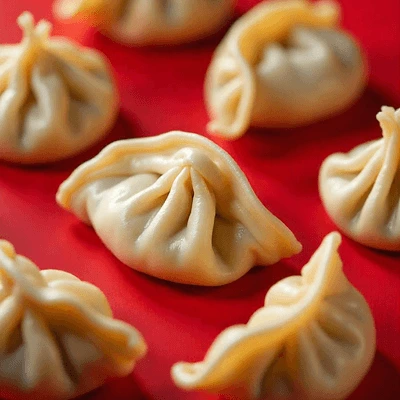
The most famous among them are undoubtedly Pierogi. These dumplings are made from thin dough and filled with various fillings. Savory versions contain potatoes with cheese, meat, or cabbage. Sweet versions are usually filled with fruit and served with sour cream.

Another notable dish is Bigos, which is often referred to as hunter's stew. Its preparation is time-consuming because a mixture of meat, sausages, and sauerkraut is slowly simmered. The result is a hearty dish with a strong and slightly tangy flavor.


A very important role is also played by Kielbasa, which is made in many regional varieties. It can be smoked, fresh, or spiced and is often served as part of main dishes, but also as an accompaniment to pierogi or as a base for quick homemade meals.


Sweets that come from home tradition
Desserts in Poland are based on simple ingredients but offer bold and rich flavors. Poppy seeds, quark, apples, and plums are often used. These ingredients are locally available, which is reflected throughout the sweet cuisine.
A typical example is the poppy seed roll, which is served mainly during holidays. Also popular is the sernik, the Polish cheesecake, which has a denser texture and a less sweet taste than its Western counterpart. Fruit dumplings are often prepared in the summer and served with butter or cream.
In some regions, sweet dishes are also served as a lighter finish after hearty meals that include, for example, pierogi or meat specialties with kielbasa.


Sernik (Polish Cheesecake)
Hospitality as Part of Dining
The culinary tradition of Poland is closely linked with hospitality and communal dining, which has a long and strong tradition in both homes and restaurants. Food is often served in multiple courses and comes to the table gradually, allowing it to be shared and tasted in various combinations.
It is typical for hearty main dishes and lighter accompaniments to appear at the same table. Alongside traditional meat dishes and specialties with kielbasa, simple side dishes, pickled vegetables, or homemade bread are commonly served. The entire dining experience thus feels abundant, yet natural and unforced.
It is not just about the food itself, but also about the social experience, which holds a firm place in both family and festive life and often extends into longer gatherings at the table.
Traditional drinks include tea, homemade compotes, or fermented beverages. These are served throughout the meal and help balance the flavors of rich and hearty dishes. In some regions, slightly sour or fruity variants appear, which aid digestion and complete the overall character of the dining experience.
A Modern View on Traditional Recipes
Contemporary Polish gastronomy is evolving towards lighter and more modern preparations without abandoning its roots. Traditional dishes appear in new interpretations, often emphasizing aesthetics and lightness. Restaurants combine historical recipes with modern cooking techniques. At the same time, the emphasis remains on local ingredients and seasonality, which has always been essential for this cuisine.

World breakfasts: how people start their day in different parts of the world

Scandinavian Cuisine: Simple Flavors of the North, Honest Ingredients, and a Harmony That Is Winning Over the Whole World