- Articles
- Travel and World Cuisines
- Balkan cuisine: pljeskavica, burek, ajvar, symbols of the flavors of Southeastern Europe
Balkan cuisine: pljeskavica, burek, ajvar, symbols of the flavors of Southeastern Europe

Pljeskavica, the Balkan king of the grill
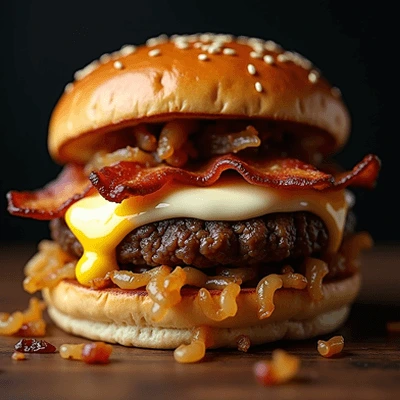
Pljeskavica is something between a Czech meat patty and an American hamburger, but at the same time completely different. It is a large, thin, and juicy slice of minced meat that is grilled or fried in a pan. It is usually made from a combination of beef, pork, or sometimes lamb.

Onion, pepper, salt, and sometimes a bit of mineral water are added to the meat for lightness. In different regions, you will find various versions:
The Most Famous Types of Pljeskavica
- Leskovačka pljeskavica, spicy, often filled with cheese or bacon
- Hajdučka pljeskavica, coarsely ground, heavily seasoned
- Šarska pljeskavica, filled with kačkaval cheese
How it is served
Traditionally, it is served with onions, toasted bread (lepinja), ajvar, and kajmak, a creamy dairy product similar to cream cheese. On the street, you often get it as a "Balkan burger," which is much richer in flavor than a classic hamburger.
Burek, Flemish Pulled Dough in Balkan Style
Burek is a legendary symbol of the Balkans, although its origin traces back to Turkish cuisine. It is a pastry made from thin layers of pulled dough (jufka), similar to filo dough.

Most common fillings
- minced meat, classic and most popular option
- cheese (usually Balkan type or feta)
- spinach
- potatoes
Regional disputes about the "real burek"
In Bosnia, it is said: "The real burek is only with meat." Cheese, spinach, or potatoes are correctly called "sirnica," "zeljanica," or "krompiruša" there. However, in Serbia or North Macedonia, you will commonly encounter burek with all kinds of fillings.
How it is baked
Burek is rolled:
- into a spiral ("strudel")
- into circular flatbreads
- or layered into a baking dish like a pie
It is crispy, greasy, fragrant, simply a food that is eaten with hands and tastes best fresh from the bakery.

Turkish Specialties: 5 Iconic Dishes of Turkish Cuisine – From Kebab to Baklava and the Art of Communal Dining
Ajvar, Balkan "Red Gold"
Ajvar is something between a sauce, a dip, and a spread. Although it is popular worldwide today, its origin is firmly rooted in the Balkans, especially in Serbia and Macedonia.

What it is made from
The main raw material is red peppers, which are:
- roasted until charred,
- peeled,
- ground with a little oil and salt
- and sometimes eggplant or garlic is added.
There are two main variants:
- mild, gentle, sweet
- hot, spicy, often with chili peppers
What it is served with
- with meats, especially grilled ones
- in sandwiches and burgers
- as a dip for bread
- in pasta
- or simply eaten with a spoon, as they say in the Balkans: "as long as the bread is good"
Ajvar is often prepared in the autumn as a homemade stock for the winter, the process can take the whole day and it is an event where the whole family gathers.
Why Balkan cuisine is so popular
Balkan dishes have several common features:
- simple ingredients, meat, onions, peppers, flour
- bold flavors, nothing is bland
- a feeling of home and hospitality
- influences of various cultures that have met here over the centuries
- hearty and authentic, the food has character, no modern minimalist cuisine
It is a gastronomy that delights both meat lovers and those seeking a homemade, honest taste.


In Conclusion
Pljeskavica, burek, and ajvar are just a small sample of the richness of Balkan cuisine. Each of these dishes carries a piece of history, tradition, and family atmosphere that is so typical for the Balkans. If you are looking for inspiration for hearty recipes, unmistakable flavors, and culinary authenticity, the Balkans will definitely not disappoint you.