- Articles
- Inspiration and Season
- Why Seasonal Cooking Is Not a Trend, but a Return to Normal
Why Seasonal Cooking Is Not a Trend, but a Return to Normal

When the season wasn’t a hashtag
Until relatively recently, cooking was guided by nature, not by the calendar of marketing campaigns. No one cared where the ingredient came from because it usually came from nearby. The garden, field, orchard, or local market determined what would be cooked.
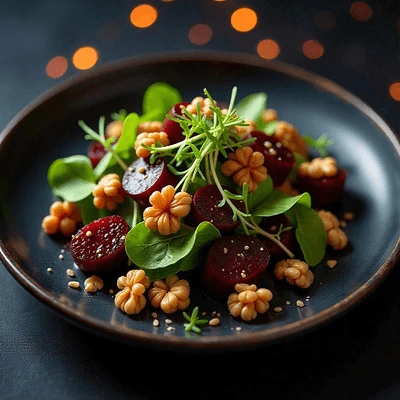
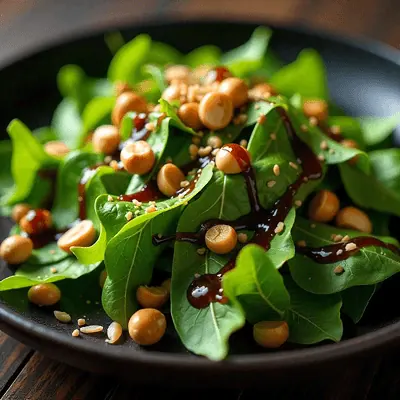
Spring brought the first green flavors after a long winter, spinach, dill, chives, young salads. Summer was full of colors, lightness, and simple dishes that didn’t require complicated preparation. Autumn meant harvest, abundance, and preparation for winter. And winter? It taught thriftiness, patience, and respect for supplies.
Today we have everything anytime, but paradoxically we have lost our orientation. Seasonal cooking is therefore not a step backward, but an effort to rediscover the natural order in the kitchen.

A Taste That Needs No Convincing
One of the strongest arguments for seasonal cooking is the taste. Ingredients that ripen naturally and at the right time taste more pronounced, fuller, and more genuine. A summer tomato doesn’t need seasoning, an autumn pumpkin has a natural sweetness, and spring herbs can transform an entire dish in one stroke.
When you cook with seasonal ingredients, the need to “rescue” a dish with spices, sugar, or complicated techniques disappears. Cooking becomes simpler and slower. Instead of recipes full of substitutes and compromises, dishes are created that make sense on their own.
And that is something no trend can replace.

Seasonality as a Natural Order in the Kitchen
One of the greatest advantages of seasonal cooking is the structure it brings to the kitchen. Instead of endlessly wondering "what to cook today," you decide based on the time of year. The selection is more limited, but all the more clear.
In spring, you naturally reach for lighter dishes featuring eggs, fresh herbs, and the first vegetables. Summer favors quick cooking, salads, grilling, and meals that are light. Autumn invites soups, baking, root vegetables, and richer flavors. Winter is the time for broths, legumes, fermentation, and recipes that warm you up.
Cooking thus stops being chaotic and becomes a rhythm. And that rhythm is surprisingly calming in everyday life.

It's Not About Perfection or Extremes
Seasonal cooking is not about strict rules, bans, or guilt. It doesn't mean you'll never buy a banana or that you have to give up your favorite dishes. It's more about changing your mindset and gradually adjusting your habits.
Prioritize seasonal ingredients when possible. Use asparagus when it's in season, and don't try to replace it for the rest of the year. Accept that some dishes belong only to certain times of the year, and that's what makes them special.
Seasonality is not about perfection. It's about greater mindfulness.

Fresh vs. Dried Herbs: When to Use Which and How to Get the Most Flavor
Return to Normal, Not a Step Back
Seasonal cooking today seems like a trend mainly because we distanced ourselves from it for a while. In reality, however, it is a return to a normal, natural relationship with food. To cooking that respects nature, the rhythm of the year, and our own needs.
Perhaps that is why seasonal cuisine has so many supporters. It does not seem artificial, does not pressure for performance or perfection. It simply reminds us that good food often arises when we cook in harmony with what is currently around us.