- Articles
- Culinary Basics
- Everything You Need to Know About Salting: When and How to Salt While Cooking to Achieve Perfect Flavor
Everything You Need to Know About Salting: When and How to Salt While Cooking to Achieve Perfect Flavor

1. Why Salting Is So Important
Salt is not just a seasoning, it is a flavor enhancer, preservative, and a source of balanced taste. The right amount of salt can highlight the natural flavor of ingredients and add depth to a dish, while its absence can make food bland and dull. Too much salt, on the other hand, can overpower other flavors and ruin the culinary experience.
Salt also affects texture, for example, when salting meat before cooking, a process called osmosis occurs, which helps tenderize the meat and retain juiciness. For vegetables, salt helps preserve bright color and firmness.
2. Salt When Cooking Meat
When it comes to meat, the question of salting is crucial and has several important rules:
- Before cooking: Lightly salting the meat 30-60 minutes before grilling or roasting helps develop flavor and tenderize the texture. For larger cuts of meat, such as beef steak or roast, we recommend salting evenly and letting the meat rest for a while.
- During cooking: If you are cooking meat in a sauce, soup, or goulash, add salt gradually. The flavor will develop during cooking, and if you add all the salt at once at the beginning, the meat or liquid may become too salty.
- After cooking: Some chefs recommend a light additional salting just before serving, adding salt after cooking enhances the flavor and creates a delicious crust.
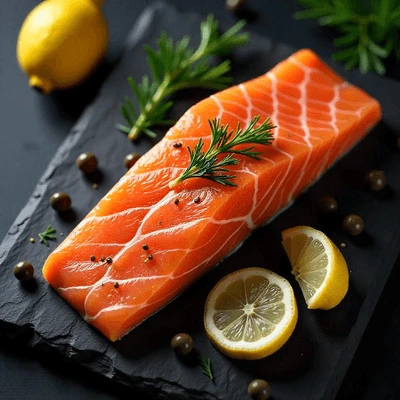
Tip: For fish, it is best to salt just before heat, as salting for too long can dry out the meat.

3. Salt When Cooking Vegetables
Salting vegetables is a delicate discipline, timing and amount determine texture and flavor:
- During cooking: Add salt only after the water starts boiling. Salt helps preserve bright color (especially in broccoli, peas, or beans) and at the same time enhances the natural flavor.
- Too early salting: If you add salt right at the beginning of cooking, some types of vegetables may soften and lose their crunchiness.
- Seasoning: When serving, you can still lightly salt the finished vegetables or add salt flavored with herbs.
Tip: For potatoes, it is recommended to salt the water before cooking, the salt penetrates the potatoes and enhances their flavor from within.
4. Salt in Soups and Sauces
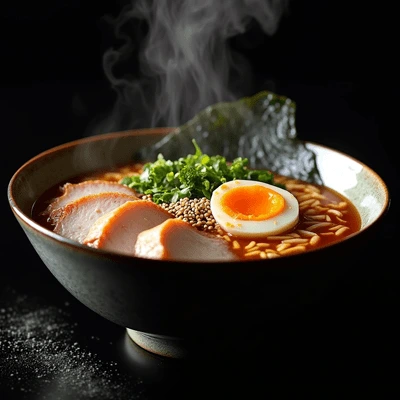
Soups and sauces require gradual salting because their flavor develops during cooking:
- At the beginning of cooking: Add a smaller amount of salt, this helps to develop individual flavors without the risk of over-salting.
- During cooking: Taste and adjust. If you are cooking for several hours, such as broth, add salt in portions.
- At the end: A gentle final seasoning just before serving gives the dish a harmonious flavor.
Tip: Use different types of salt for different purposes, for example, fine salt for soups and coarse salt for final seasoning on the plate.

5. Salt in Baking
Salt is important in baking mainly for balancing the sweet taste and the texture of the dough:
- In the dough: Salt adds flavor and controls yeast activity. Too much salt slows down rising, too little makes the dough bland.
- On the surface: For baked goods like bread or focaccia, it is suitable to sprinkle coarse salt just before baking.
- Sweet baking: Salt enhances the flavor of chocolate, caramel, and nuts. Using a pinch of salt in the dough can significantly improve sweet flavors.
Tip: Salt in sweet desserts should be fine and evenly mixed so it does not stand out as crystals.
6. Types of Salt and Their Uses
- Table Salt: a universal choice, suitable for most recipes and cooking.
- Sea Salt: often contains minerals and subtle flavor nuances, suitable for seasoning dishes before serving.
- Coarse Salt: ideal for grilling and roasting meat, adds a crunchy texture.
- Fleur de Sel: a luxury salt used for final garnishing, dissolves slowly and enhances flavor.
Tip: Combine different types of salt, for example, coarse salt when roasting meat and fine sea salt for seasoning vegetables.
7. Tips from Chefs
- Taste the dish gradually, salt is very individual.
- Remember that some ingredients (cheeses, cured meats, olives, soy sauce) are already salty, so the amount of salt needs to be adjusted.
- Use quality salt, small nuances can make a big difference.
- Experiment with herbs and spices, combinations of salt with pepper, lemon juice, or herbs can completely change the flavor of the dish.
Proper salting is a combination of technique, knowledge of ingredients, and sensitive tasting. Once you master it, every meal you make will gain depth, balance, and a professional taste.